New Release Special:
20% OFF ALL ORDERS !!!
Browse the books above, then scroll down to explore full descriptions and details.
Tap with Tay™ AAC Story Books
COMMUNICATION-FIRST LEARNING SERIES
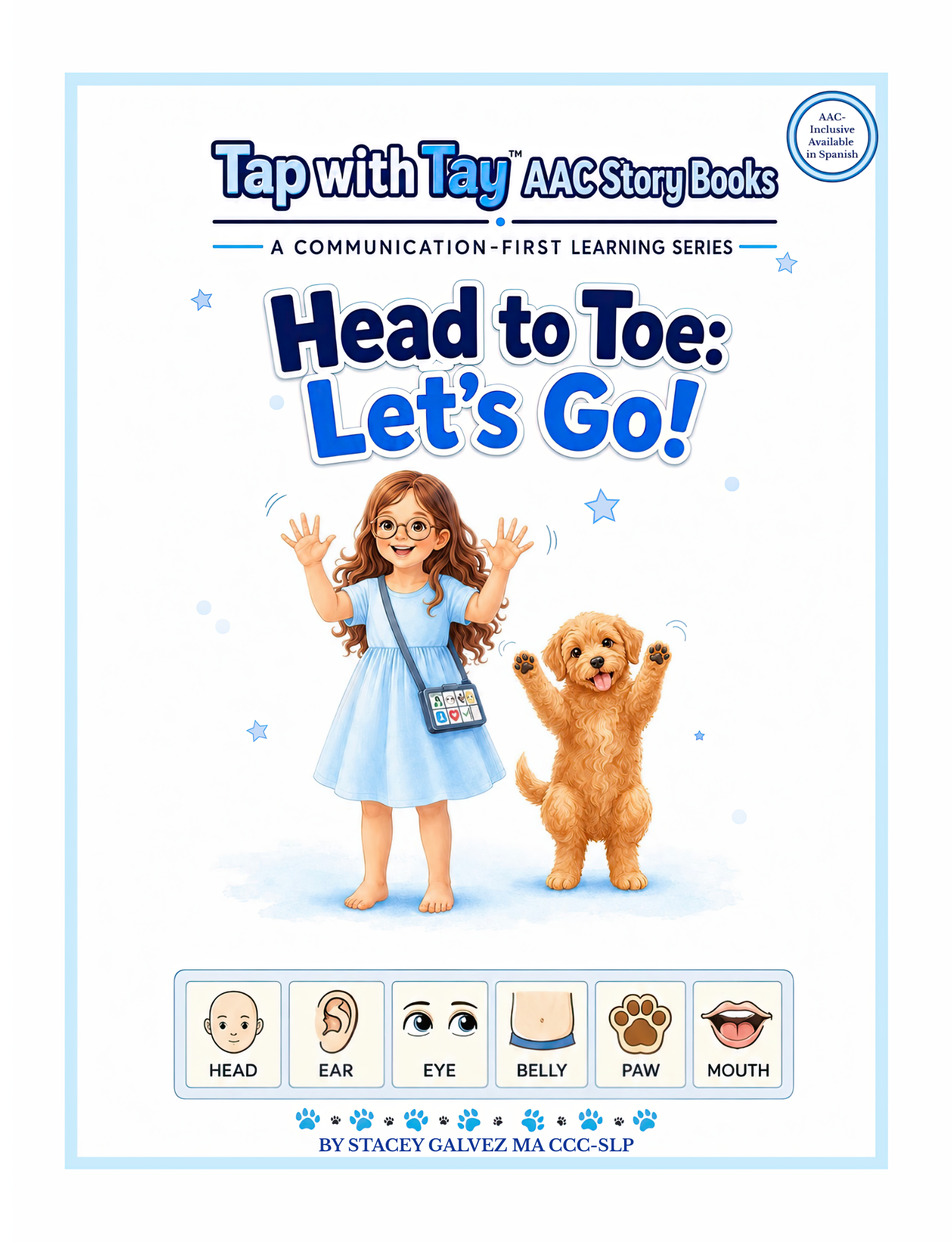
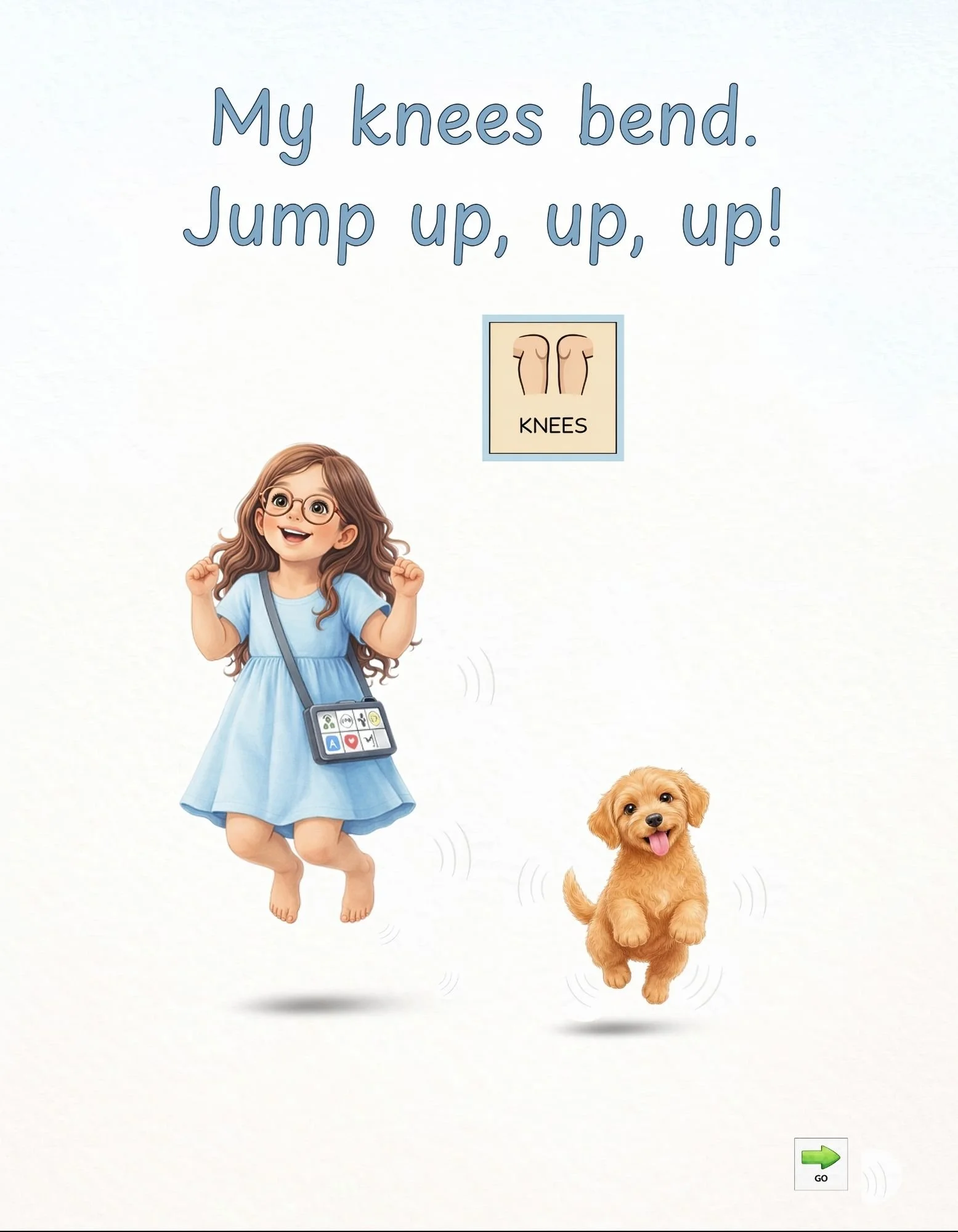
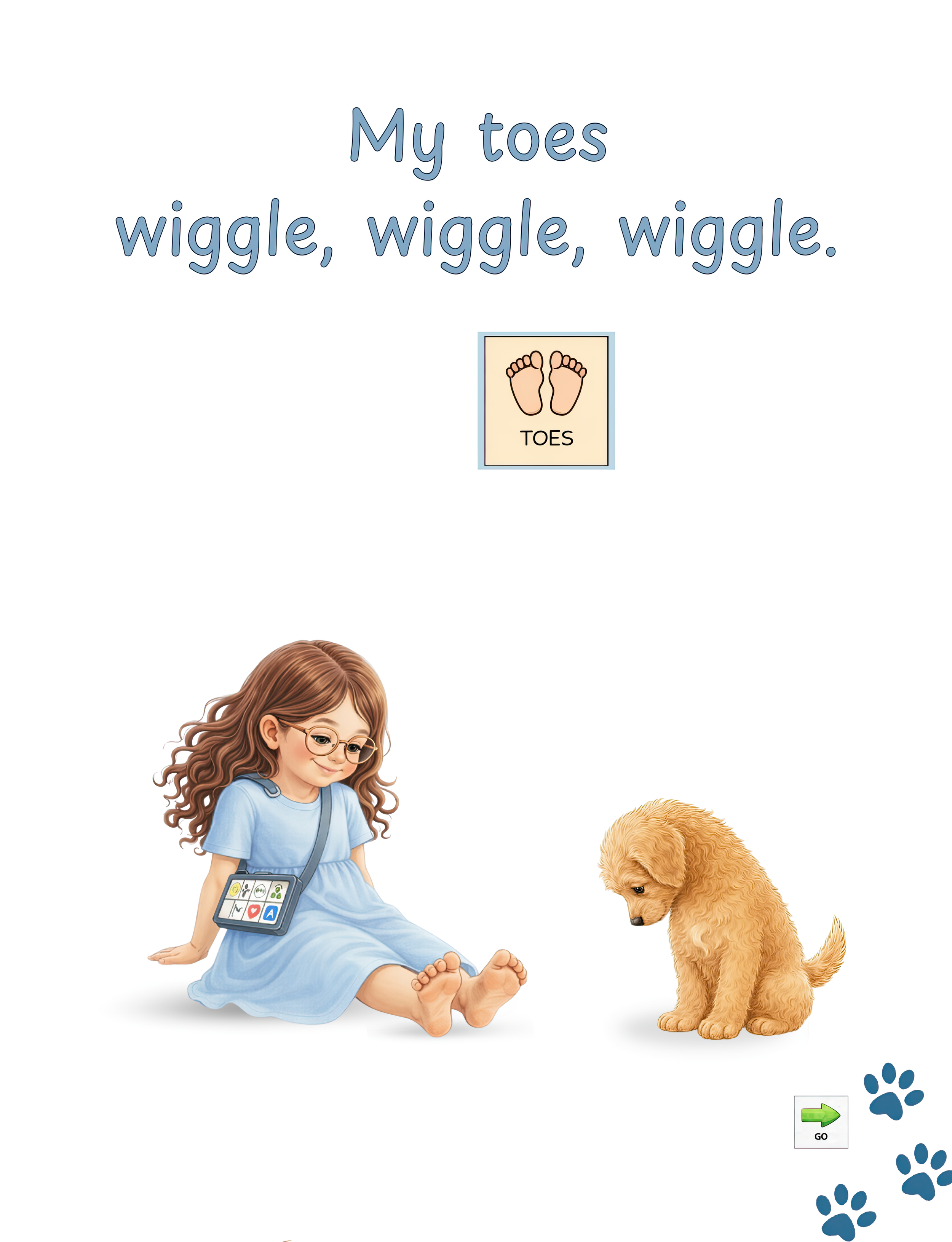
HEAD TO TOE: LET’S GO!
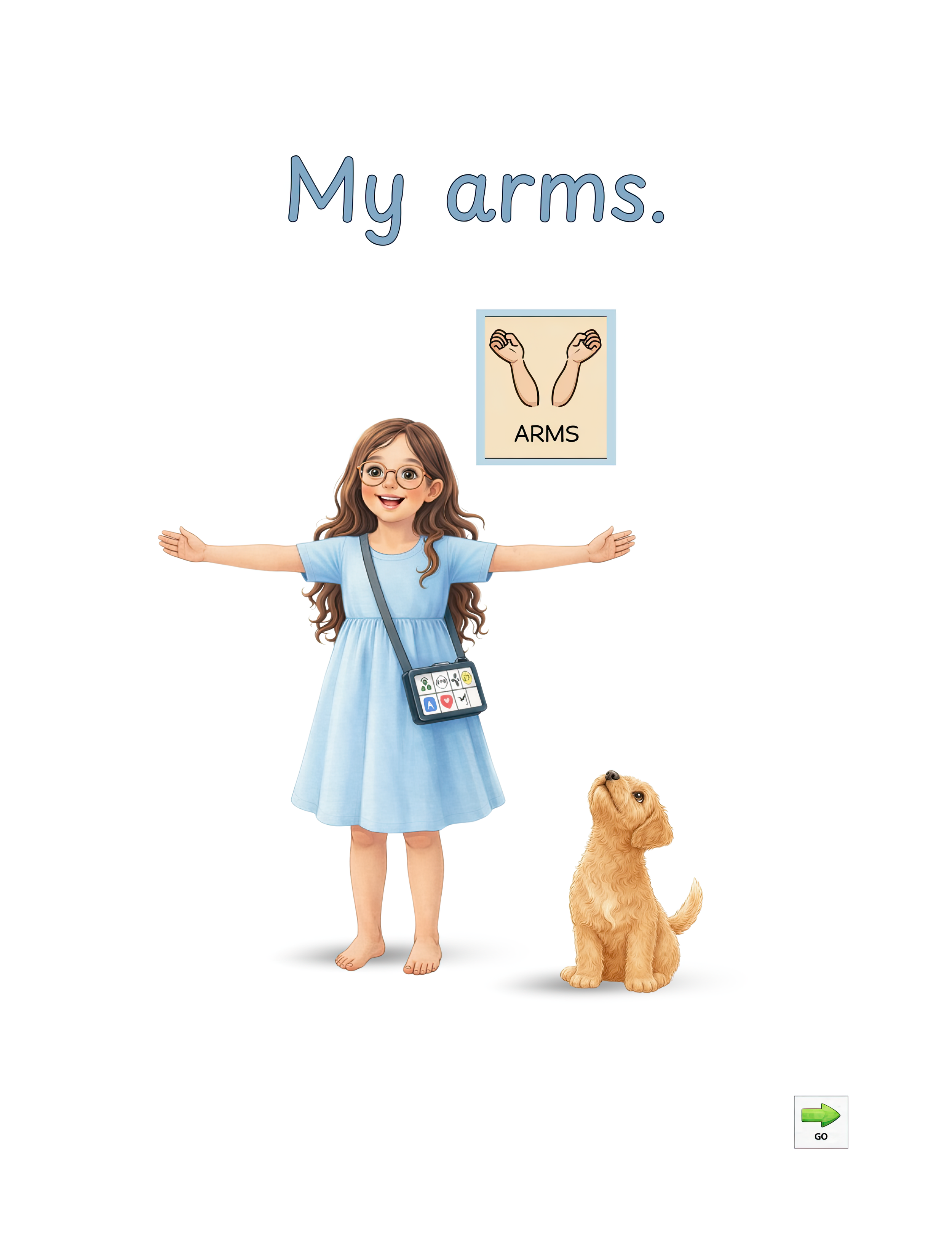
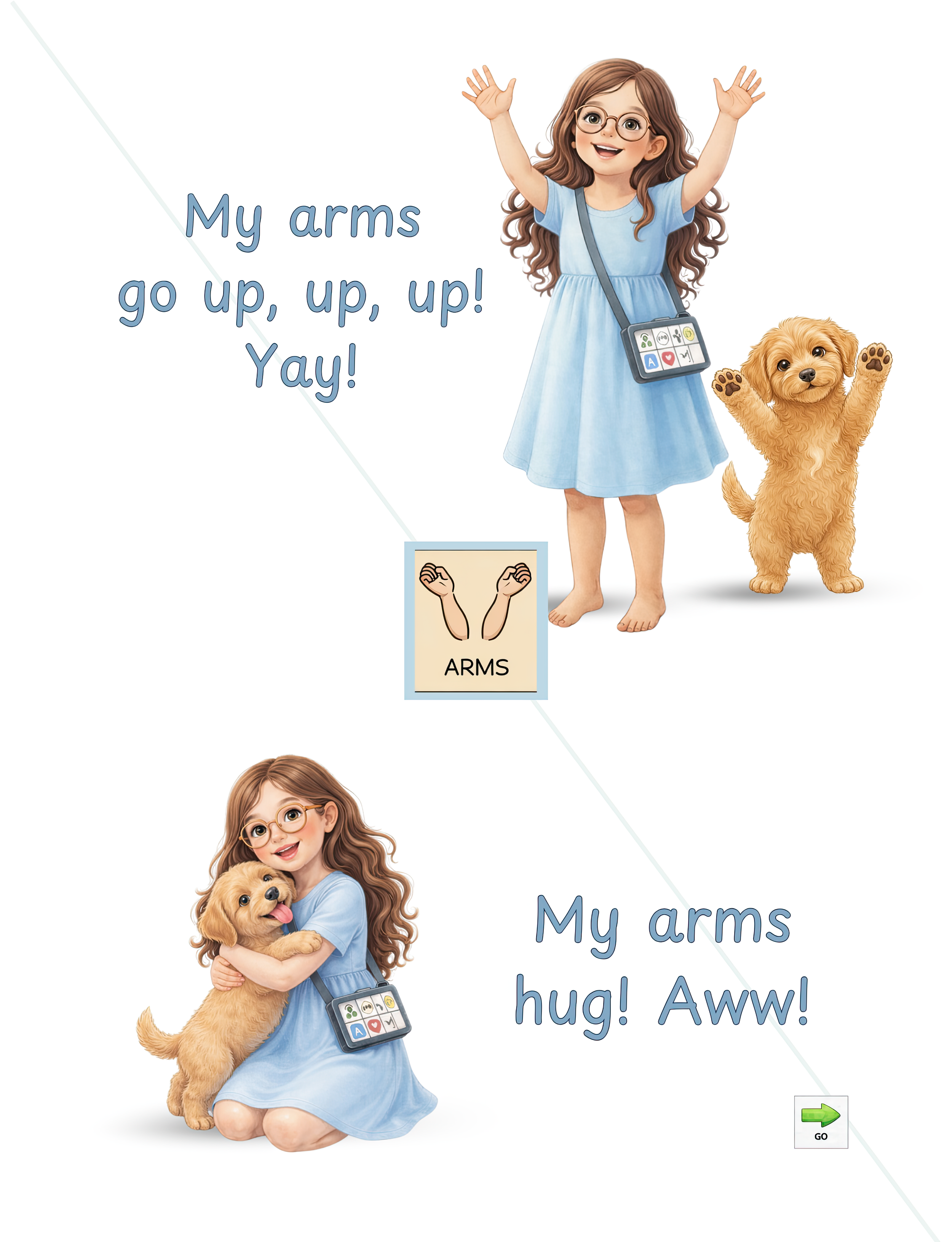
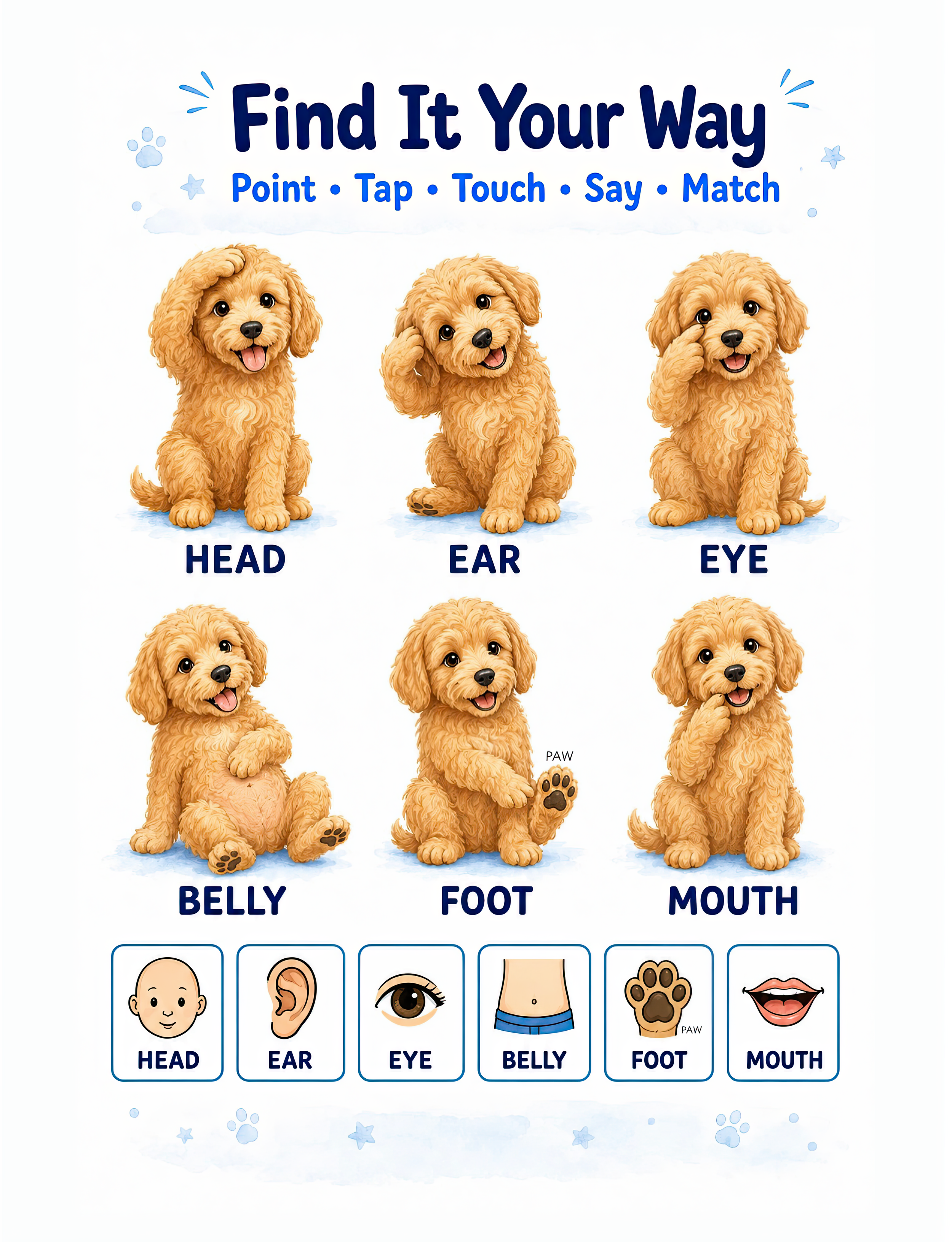
This AAC-supported head-to-toe story uses playful, repetitive GLP-style phrasing to explore body parts through movement and action. Language is intentionally rhythmic and predictable—touch, blink, stomp, jump, clap—allowing phrases to be heard, repeated, adapted, or simply enjoyed without pressure to respond or perform.
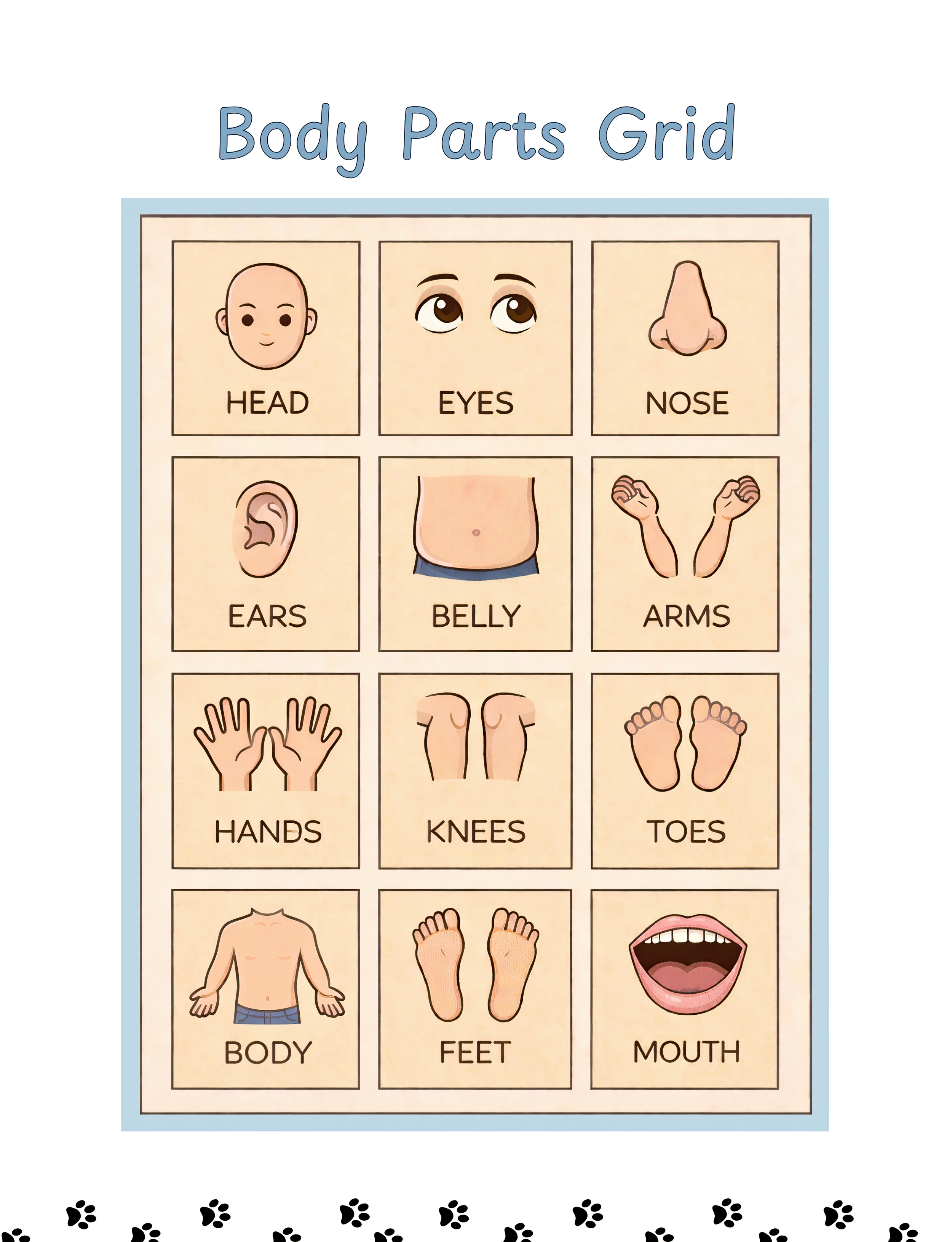
The visual design is low-stimulus and intentionally uncluttered to support attention, regulation, and shared reading. Vocabulary selection is designed to allow AAC modeling to remain within the same folder whenever possible, minimizing navigation and making it easier for communication partners to model body-part language both receptively and expressively on an AAC device during reading.
While the book is designed to support aided language input through natural modeling, AAC use is always optional. Readers may model all, or some of the icons, or read the book without AAC entirely—based on what feels meaningful for the individual communicator.
AVAILABLE IN SPANISH
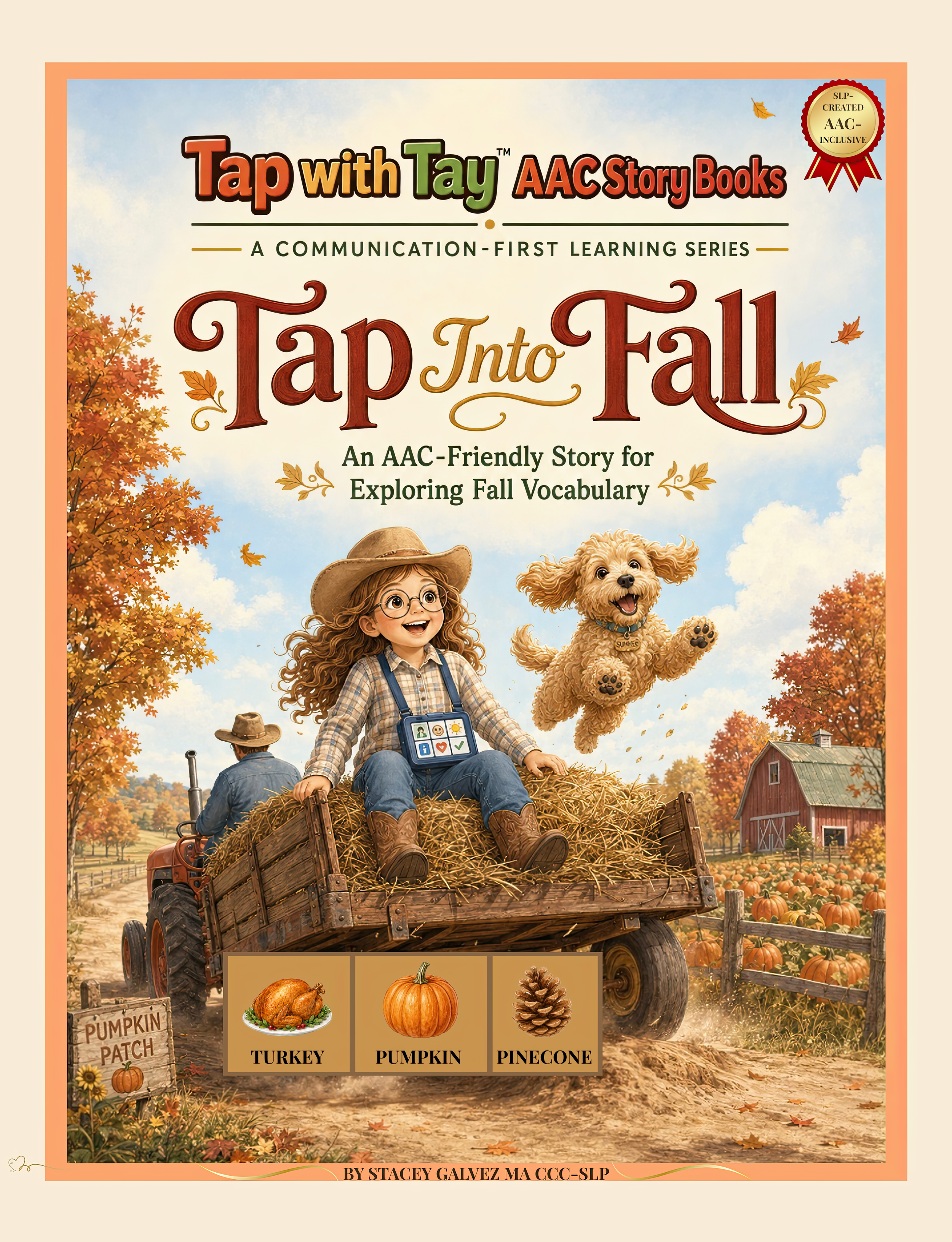
Tap Into Fall
An AAC-Friendly Story for Exploring Fall Vocabulary
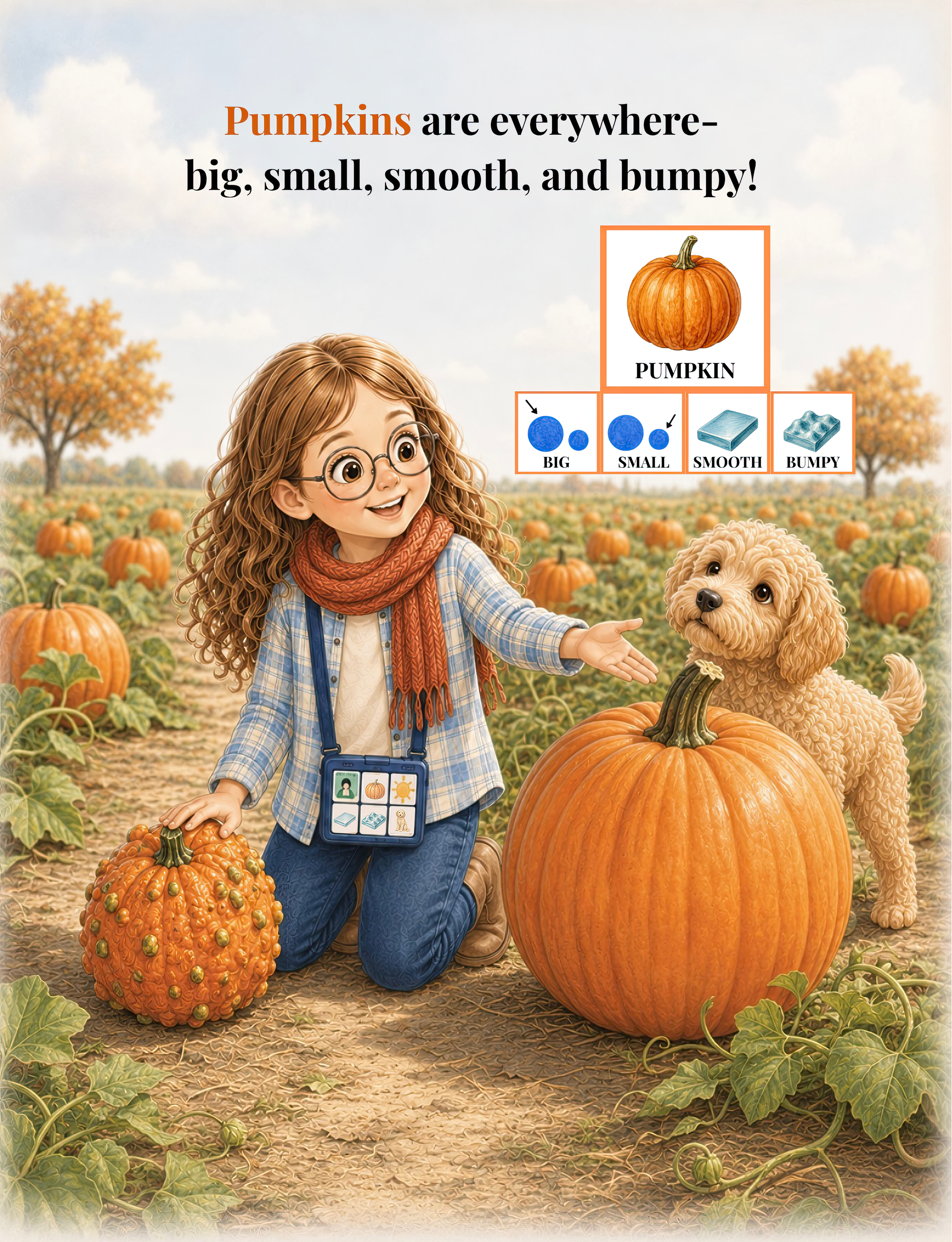
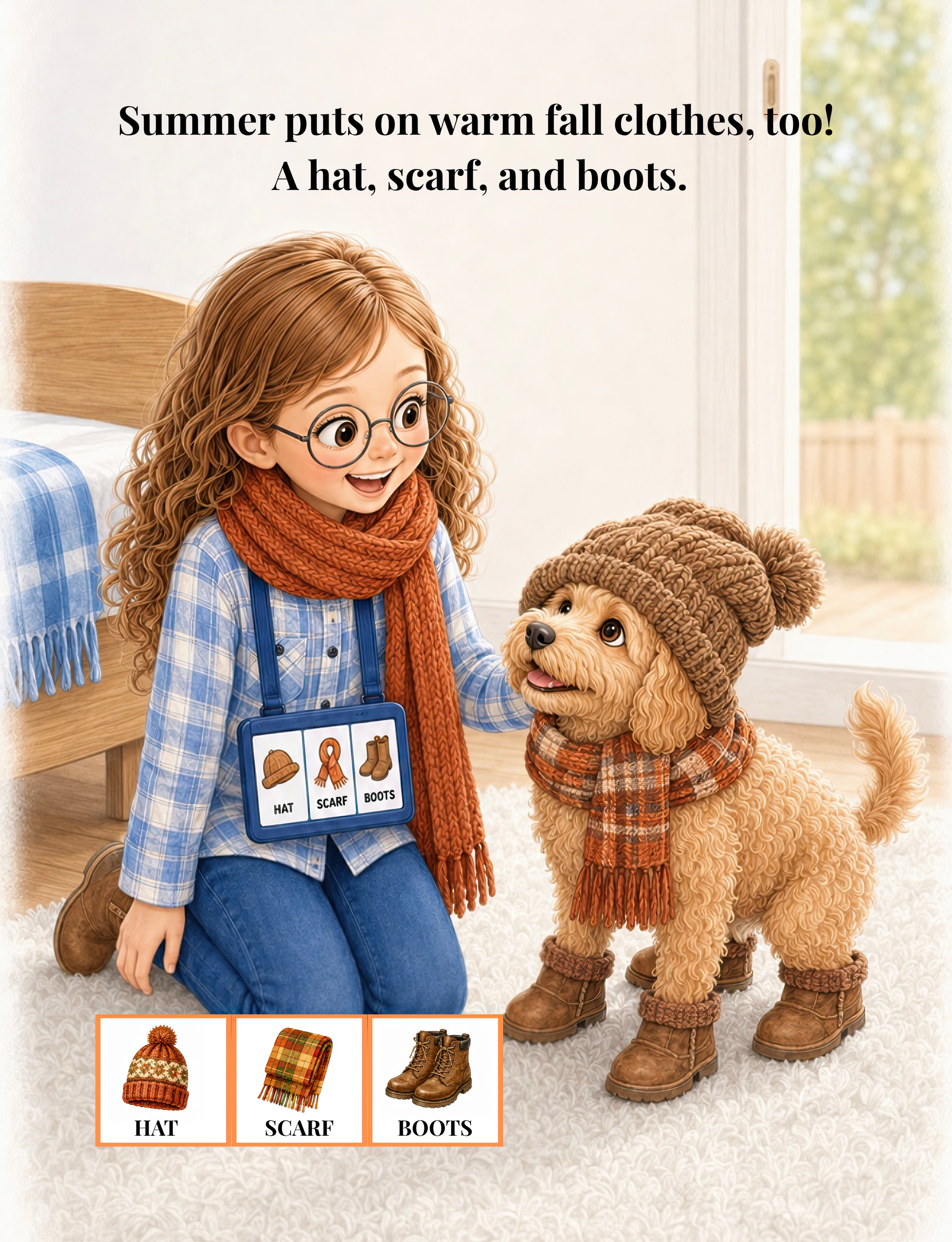
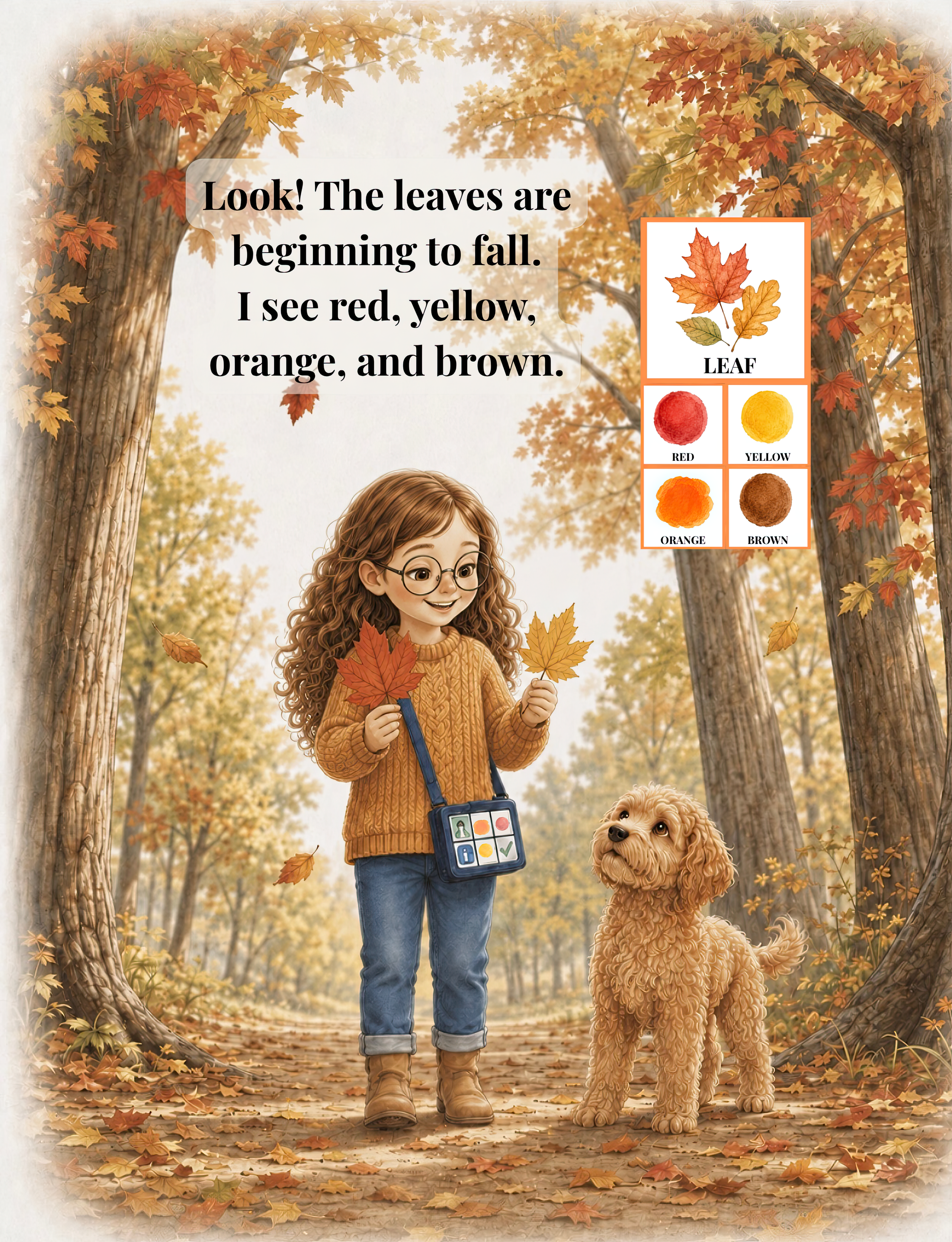
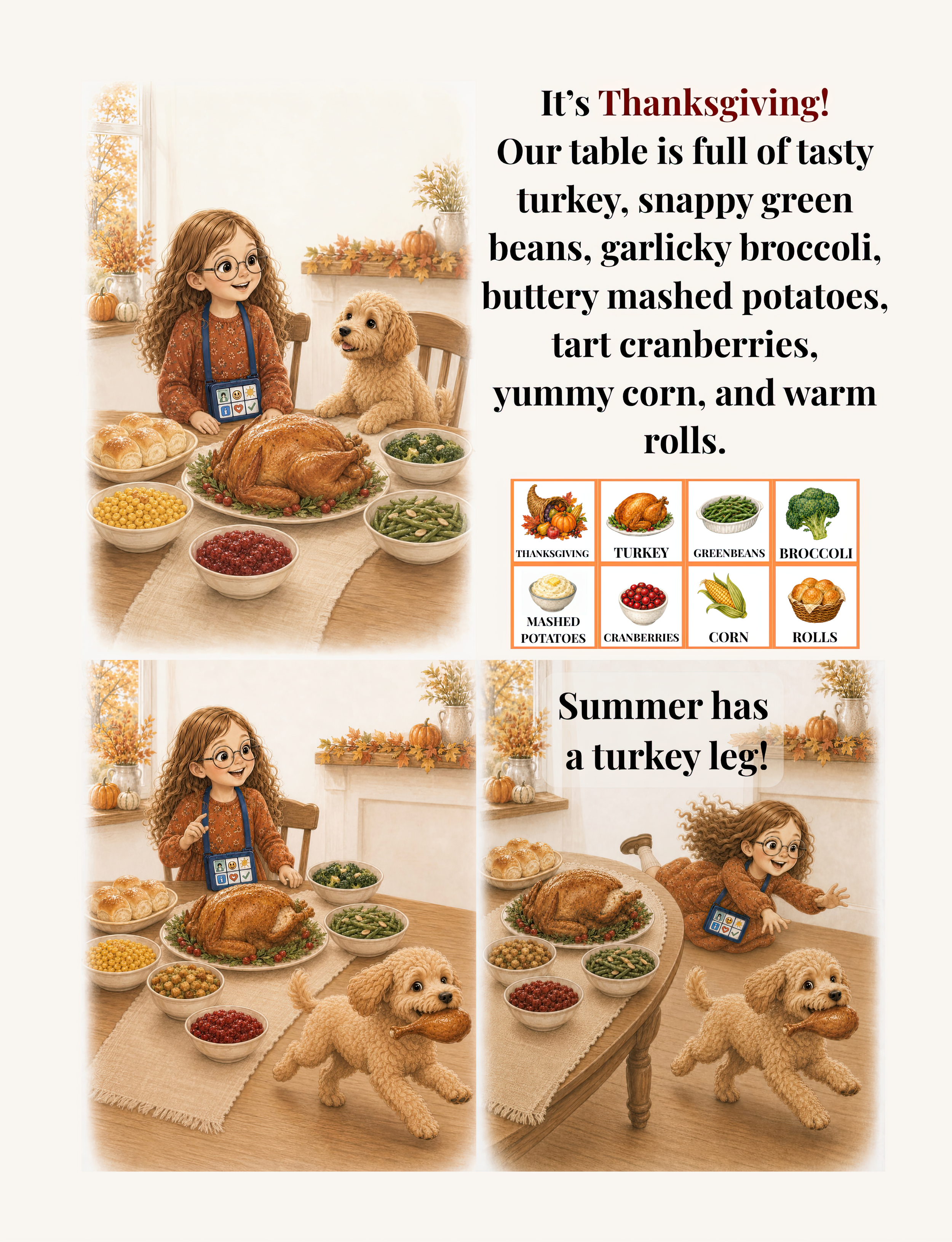
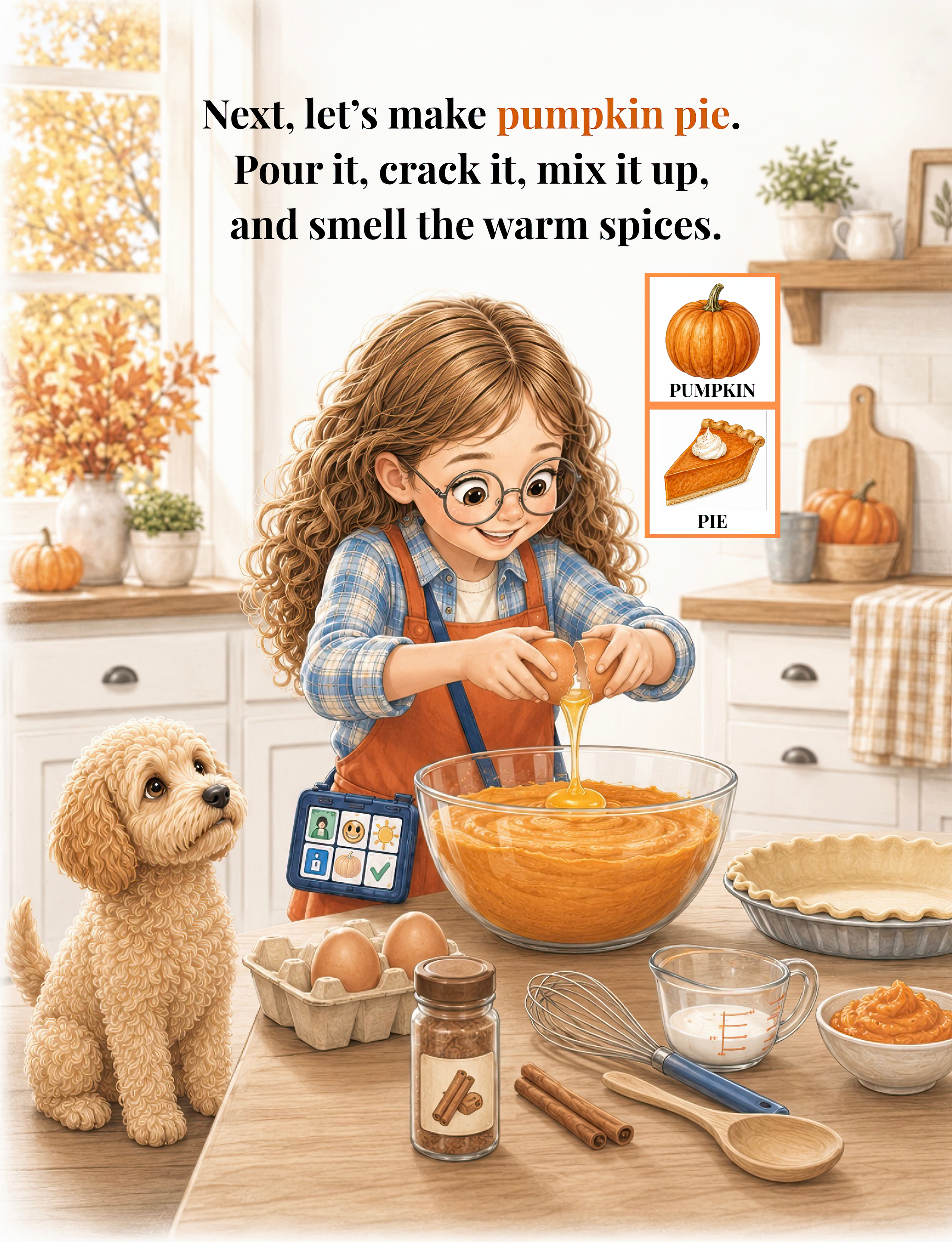
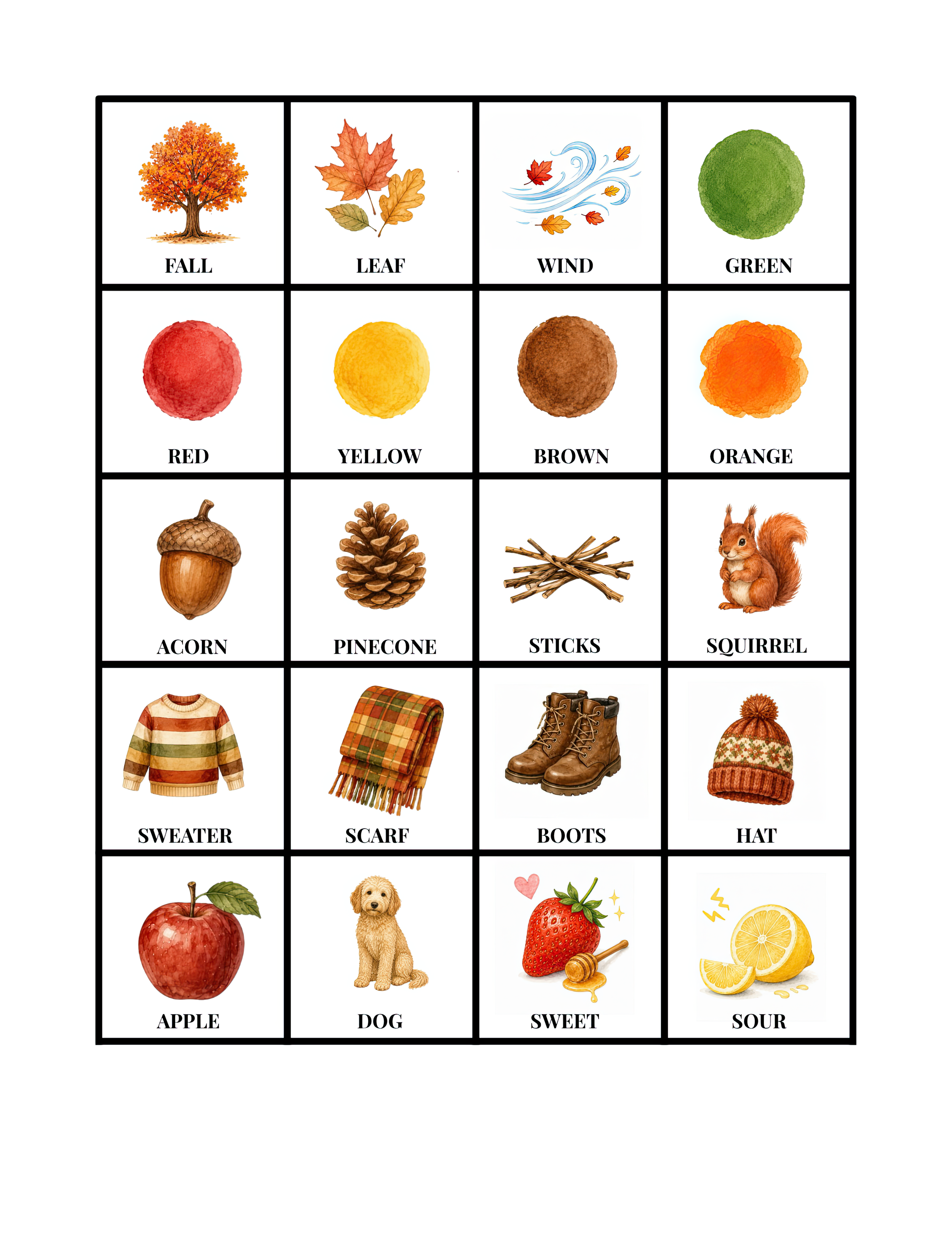
Bring fall vocabulary to life with Tap Into Fall! From apple picking to pumpkin patches, this playful adventure helps AAC users explore seasonal words and learn where to find them on their devices. Visual icons and simple language frames like “I see…,” “I like…,” and “Let’s…” help families, educators, and therapists model vocabulary during shared reading—making every page an opportunity for communication and connection.
COMING SOON
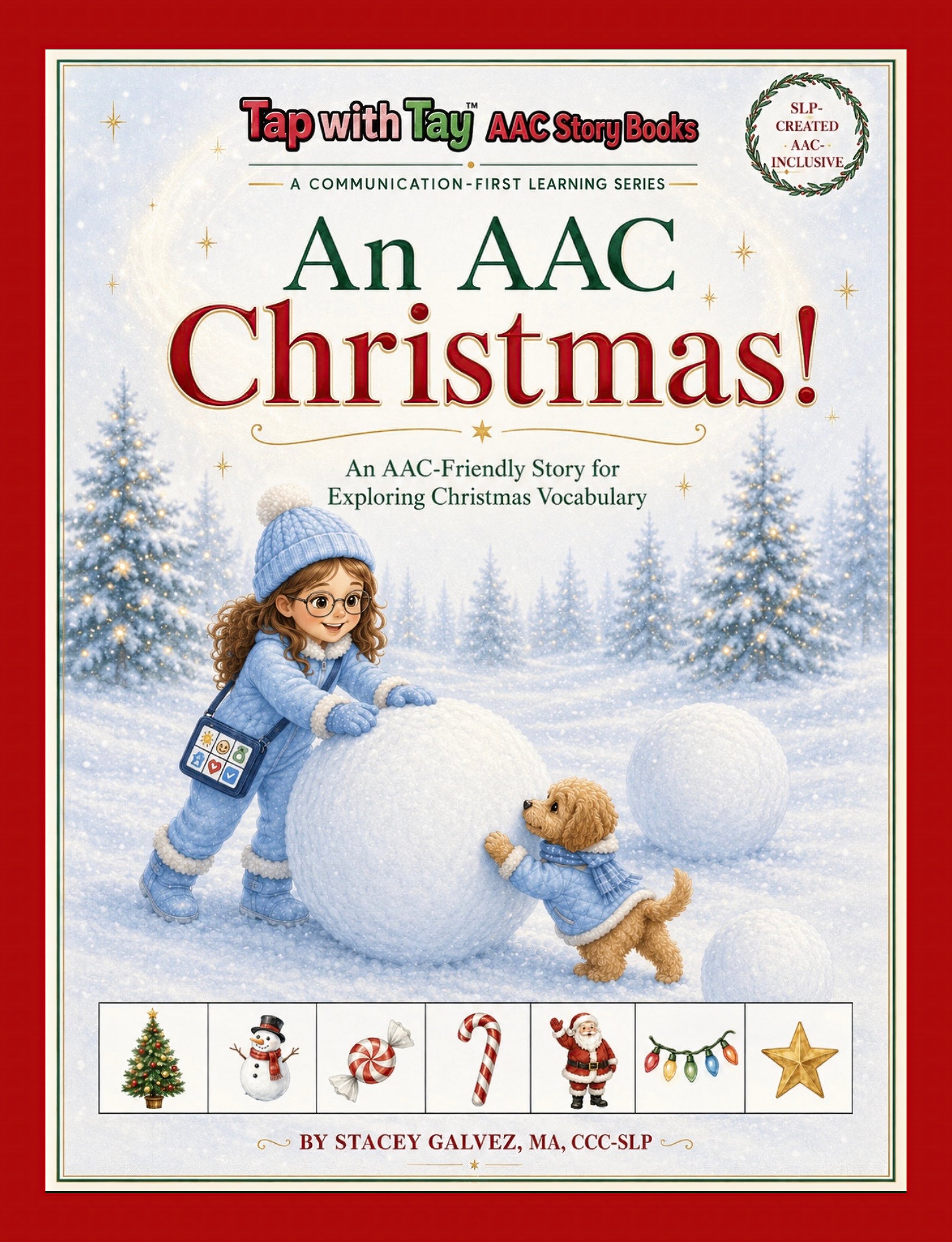
AN AAC Christmas! An AAC-Friendly Story for Exploring Christmas Vocabulary
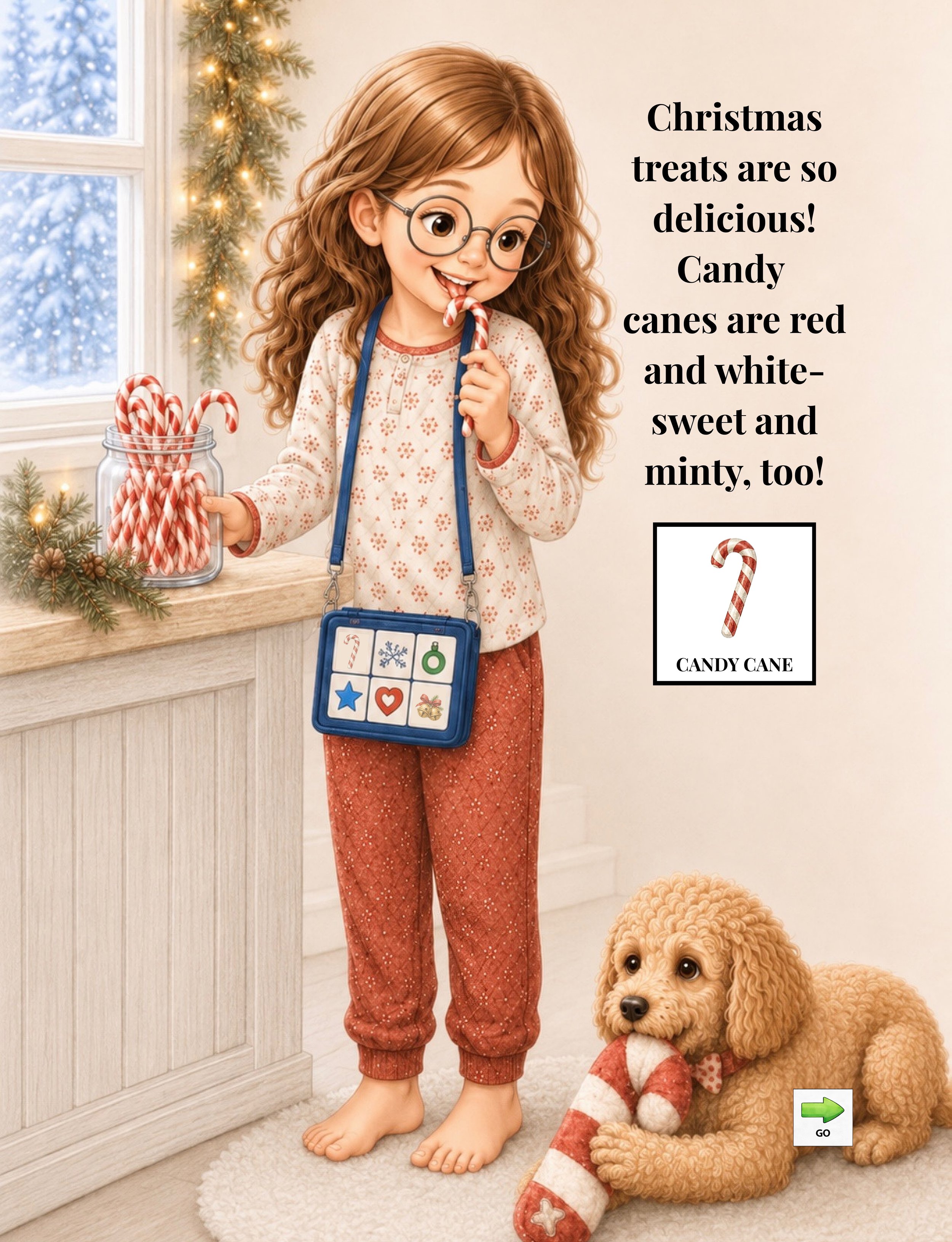
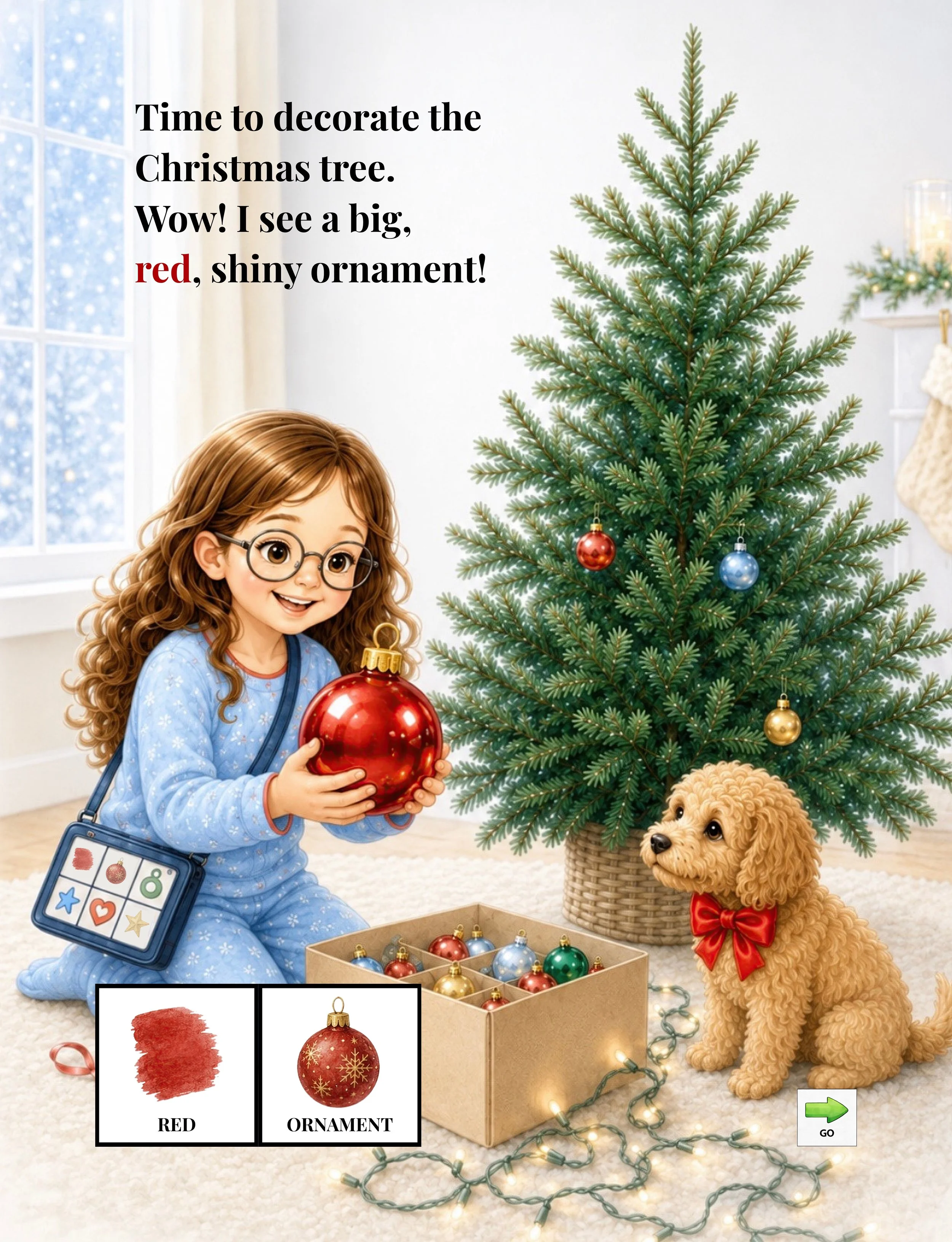
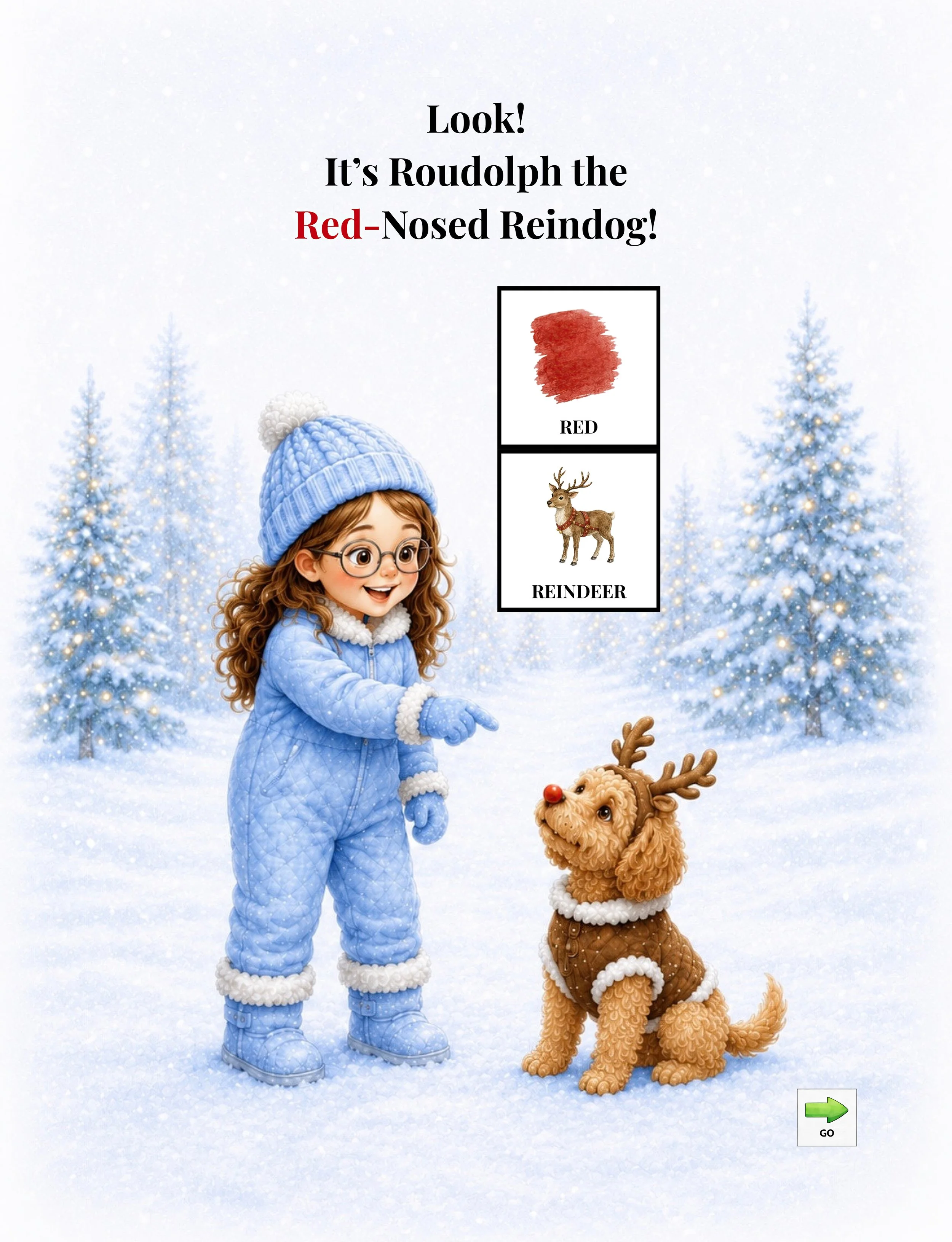
Celebrate the season with An AAC Christmas! Join a young AAC user and her playful dog for sparkling lights, decorating, giving, and holiday fun. Explore Christmas vocabulary and help children learn where seasonal words live on their AAC devices. Repeated language frames like “I see…,” “I want…,” and “Let’s…” make modeling easy for families, educators, and therapists—building opportunities for communication, connection, and shared holiday joy without pressure to perform.
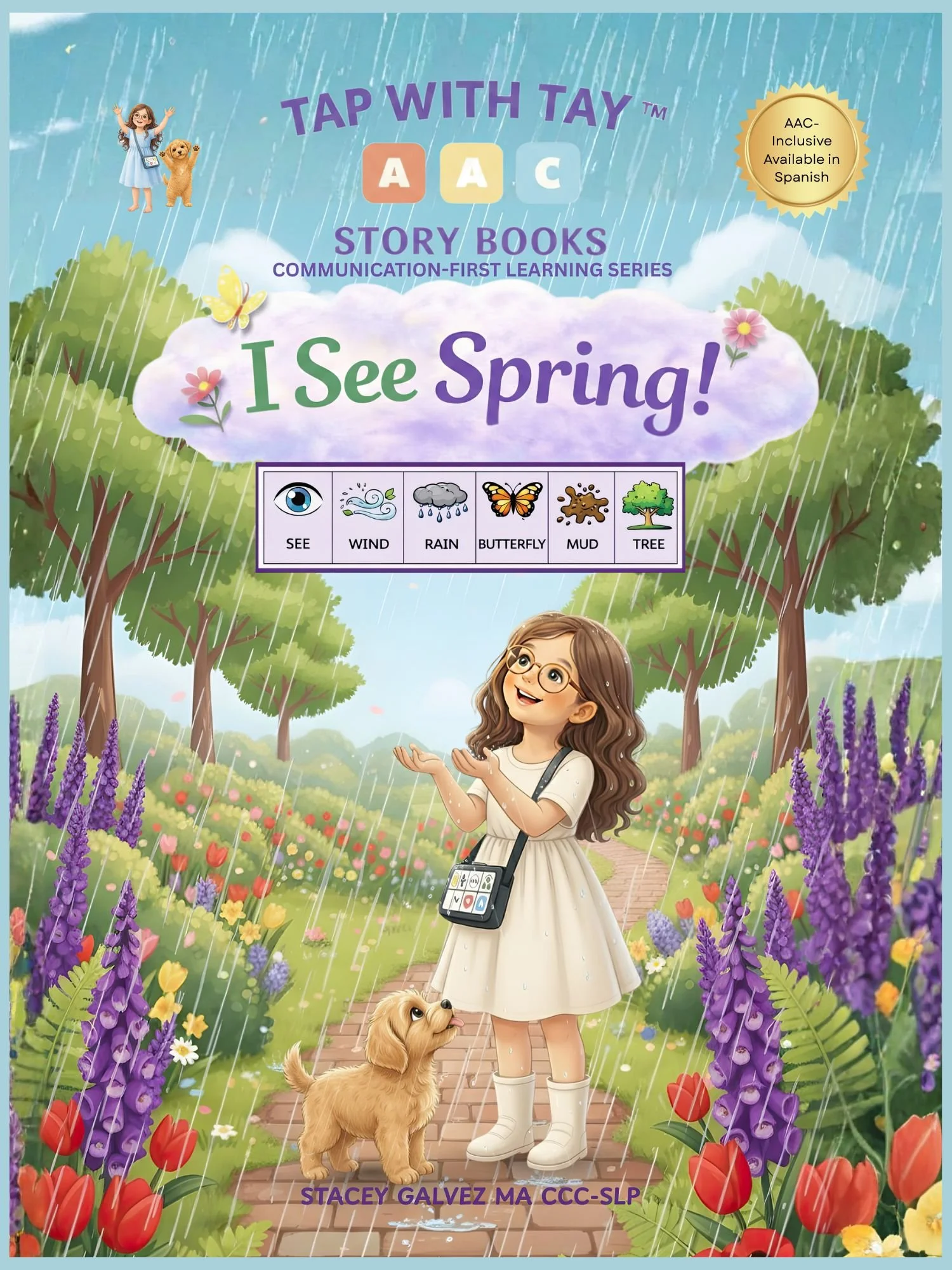
I See Spring!
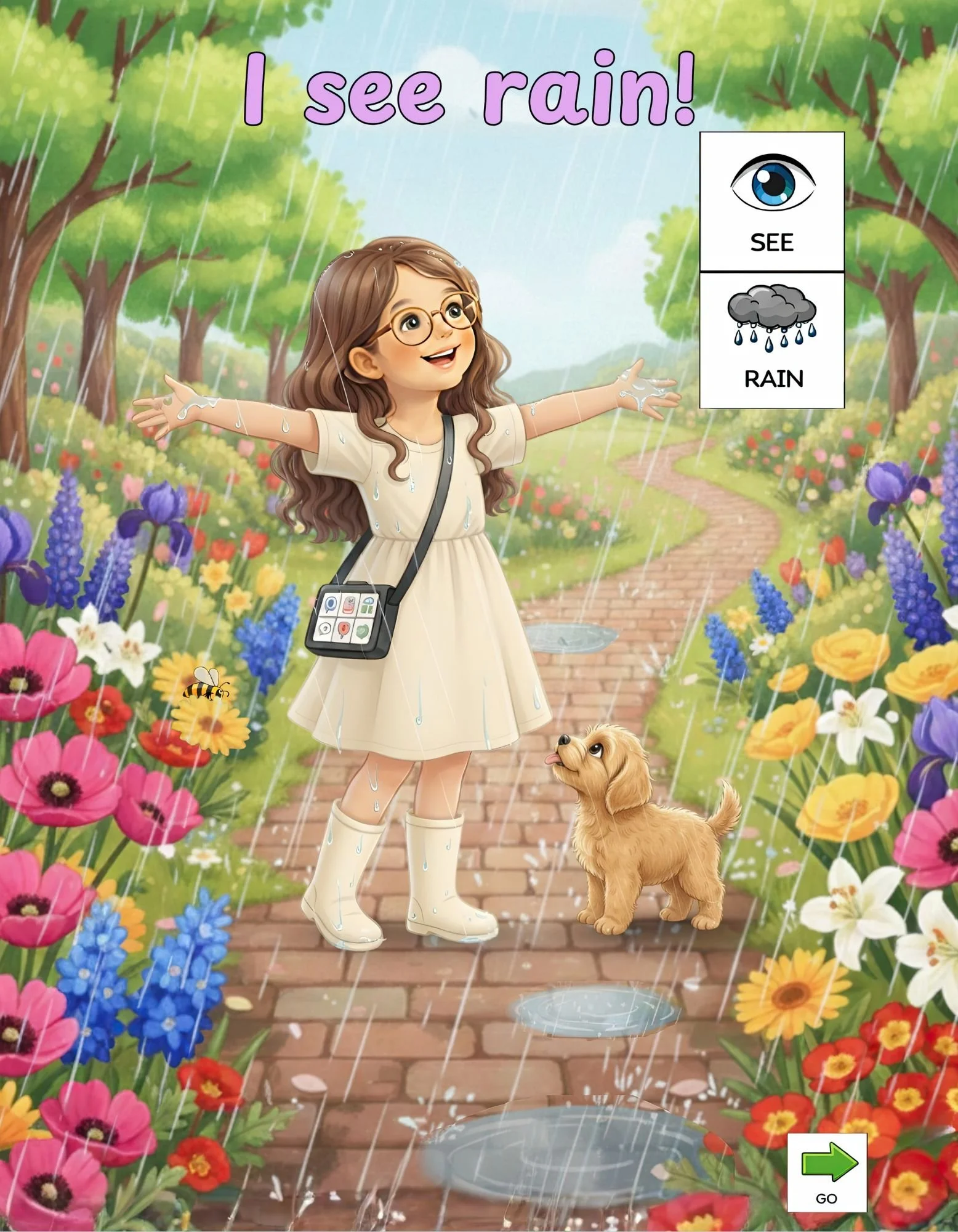
This spring-themed story emphasizes playful, repetitive GLP-style phrasing paired with optional AAC supports. The language invites children to build receptive and expressive language skills into shared moments of observation—rain, sunshine, colors, and change—without expectations for imitation or response.
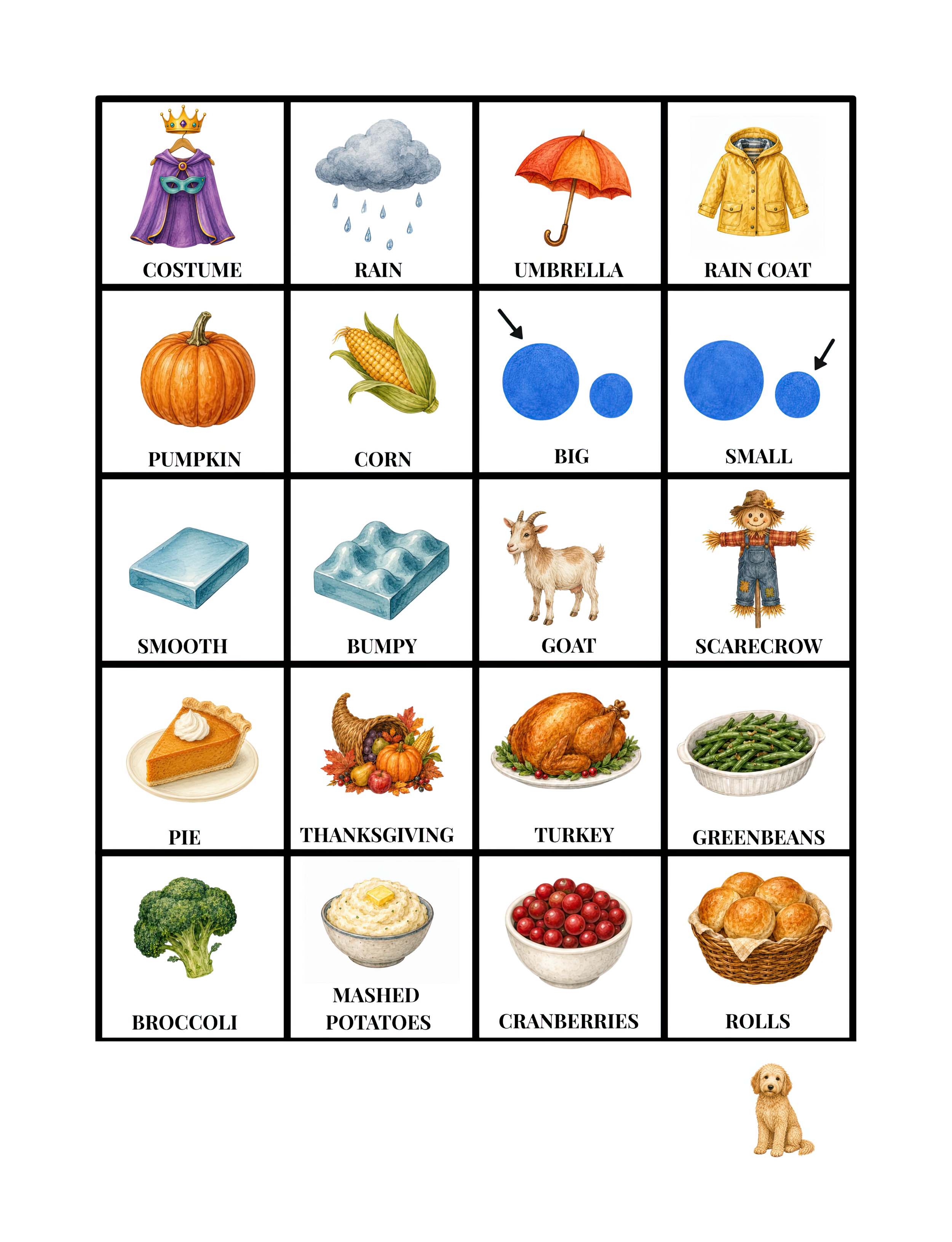
The carrier phrase “I see” is repeated throughout the book. Icons may be modeled fully, partially, or not at all. Companion boards are included in the back of the book, and additional AAC boards are available as free downloads. While the book can be read in any way, it may be used as a supportive tool for providing language input during shared reading for AAC users.
Designed to support aided language input through natural modeling during shared reading experiences.
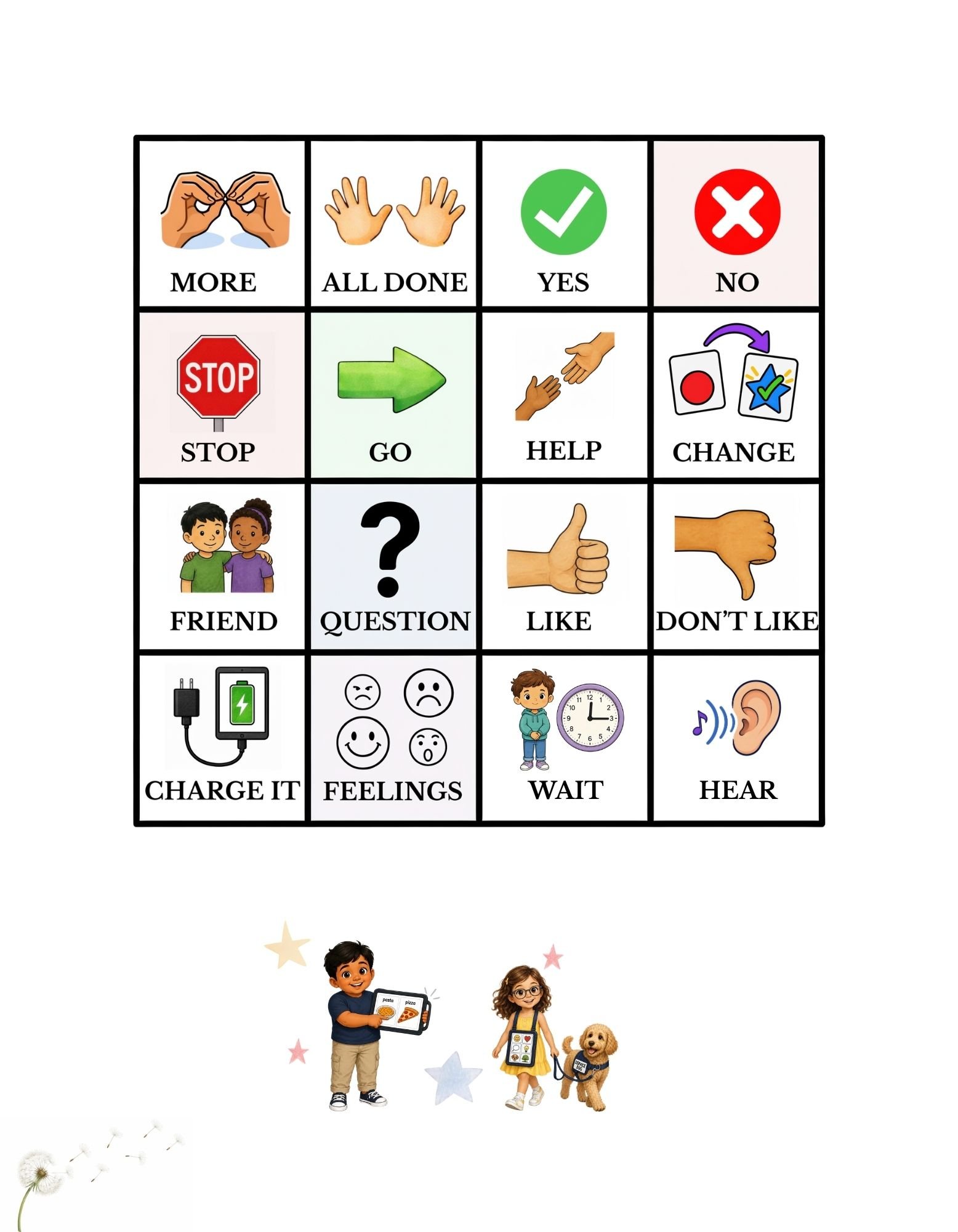
The book is designed to be flexible, respectful, and led by the communicator. The story also models language for self-advocacy and regulation, helping children communicate what their bodies need-like more, stop, break, or all done.
AVAILABLE IN SPANISH
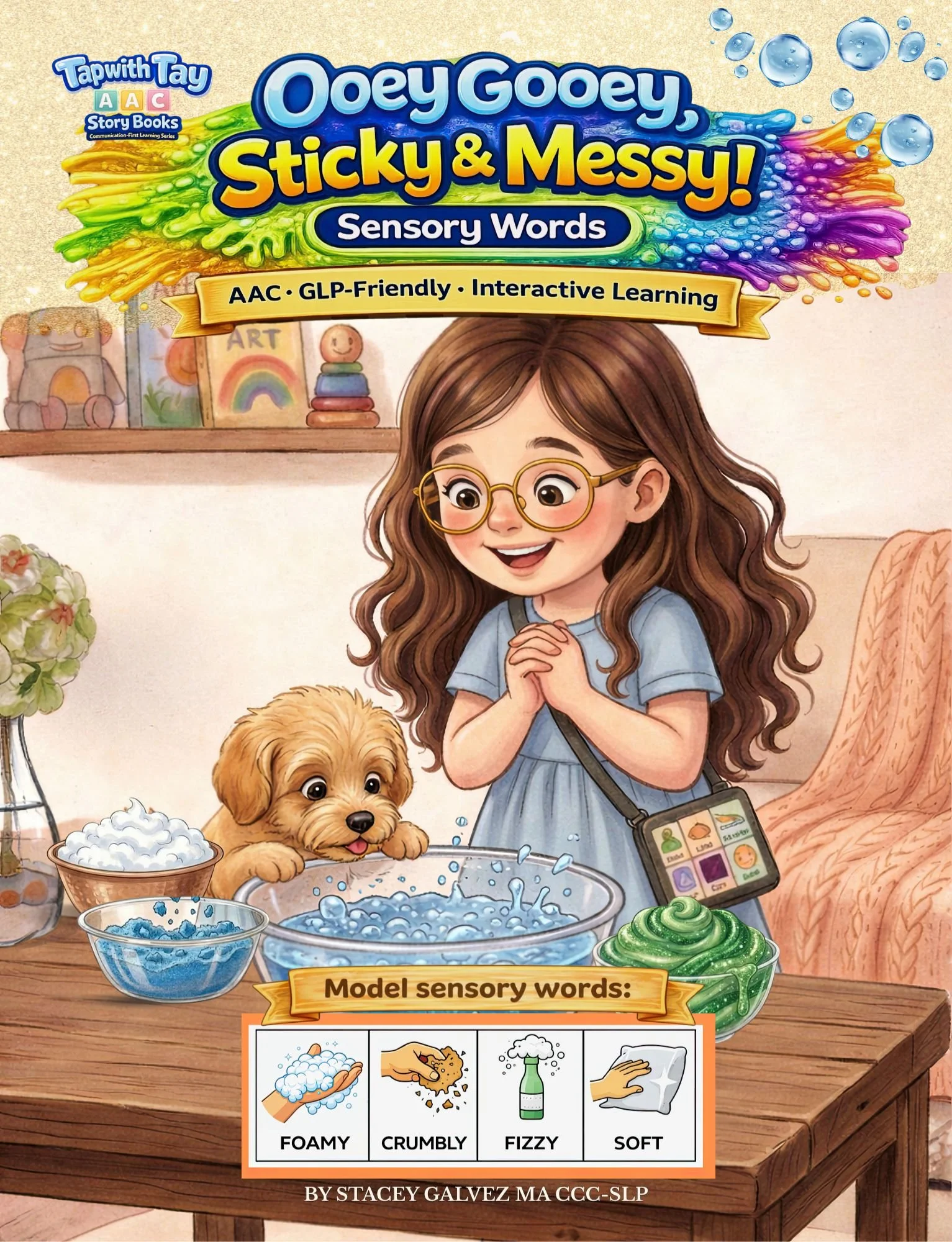
Ooey Gooey, Sticky & Messy! Sensory Words
.
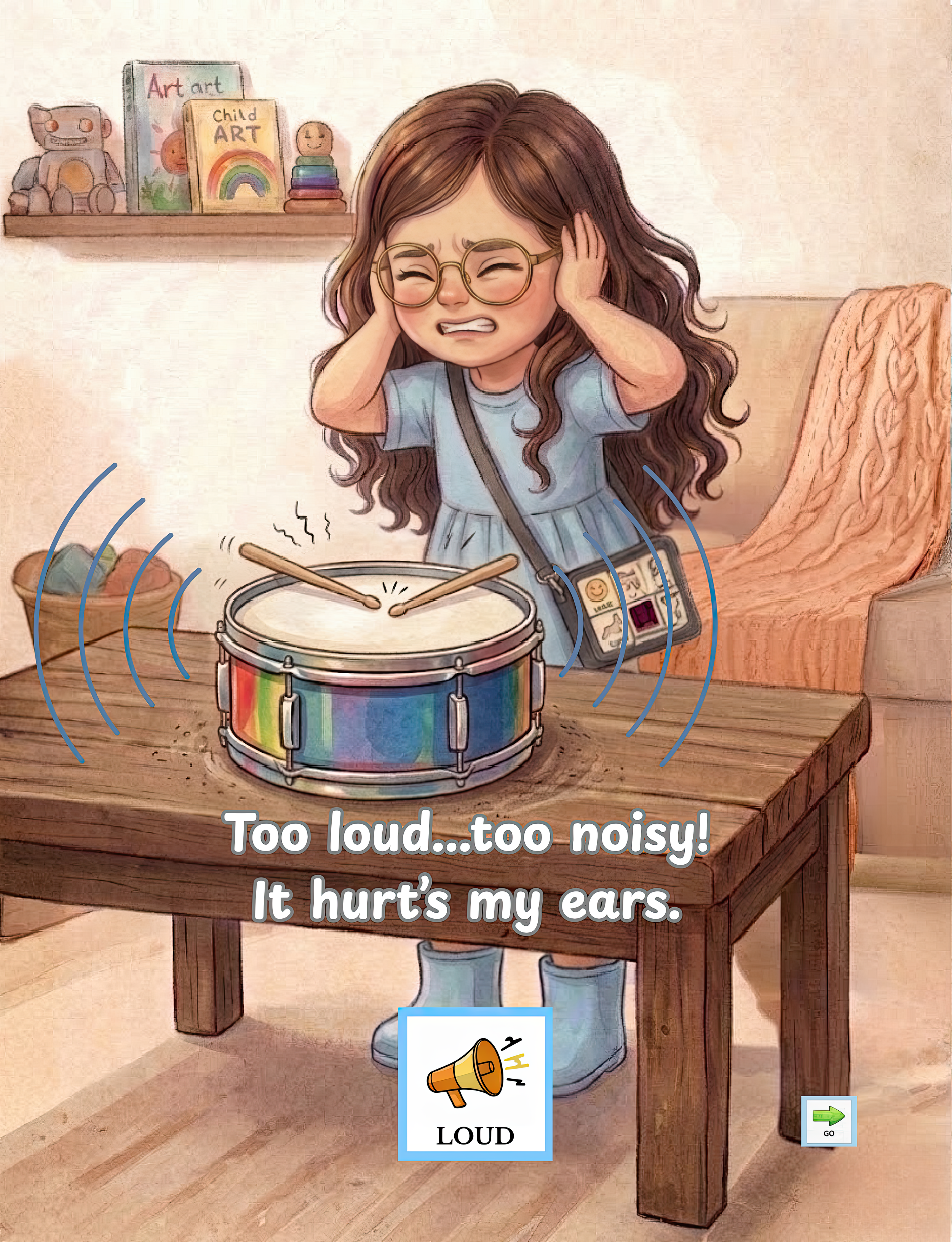
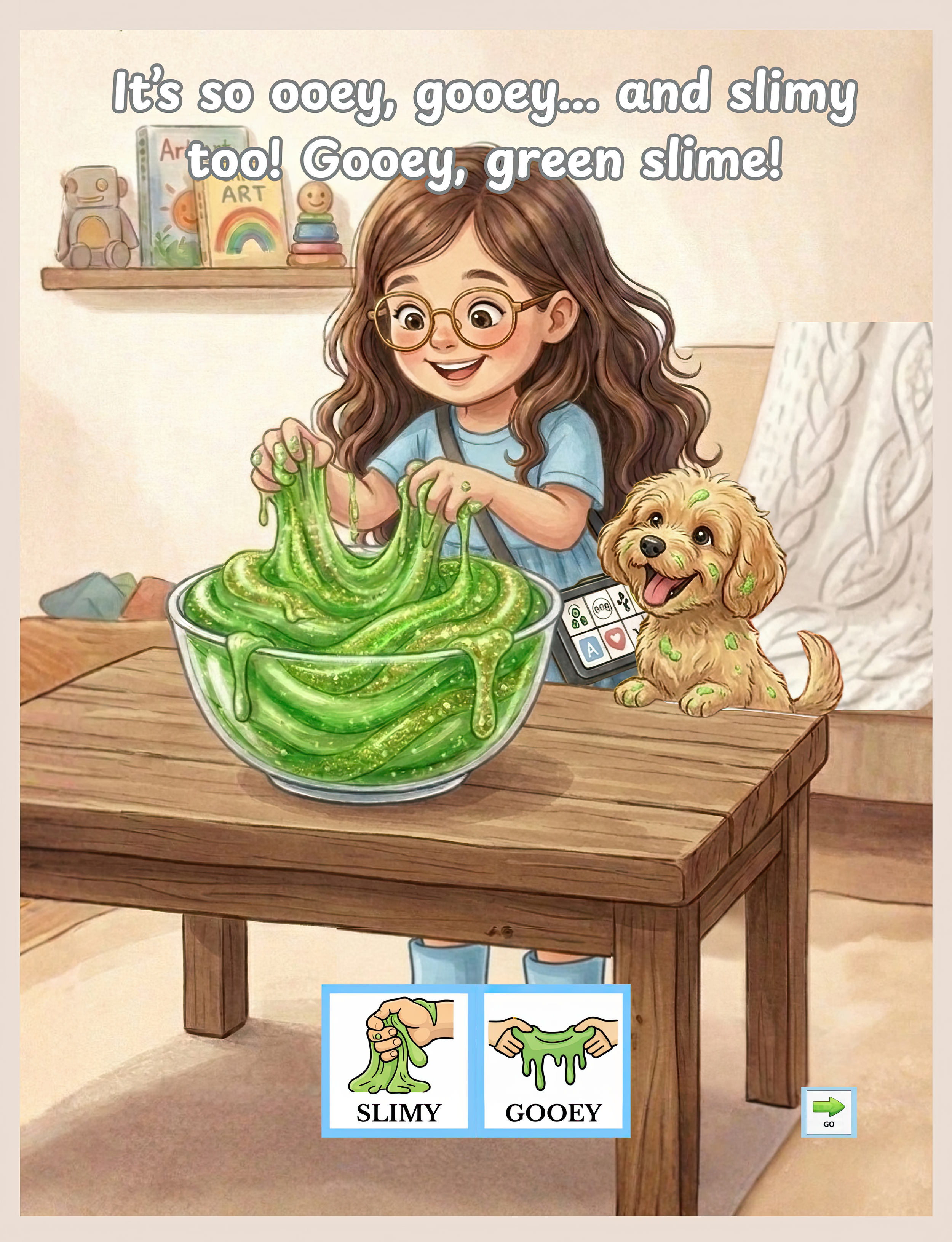
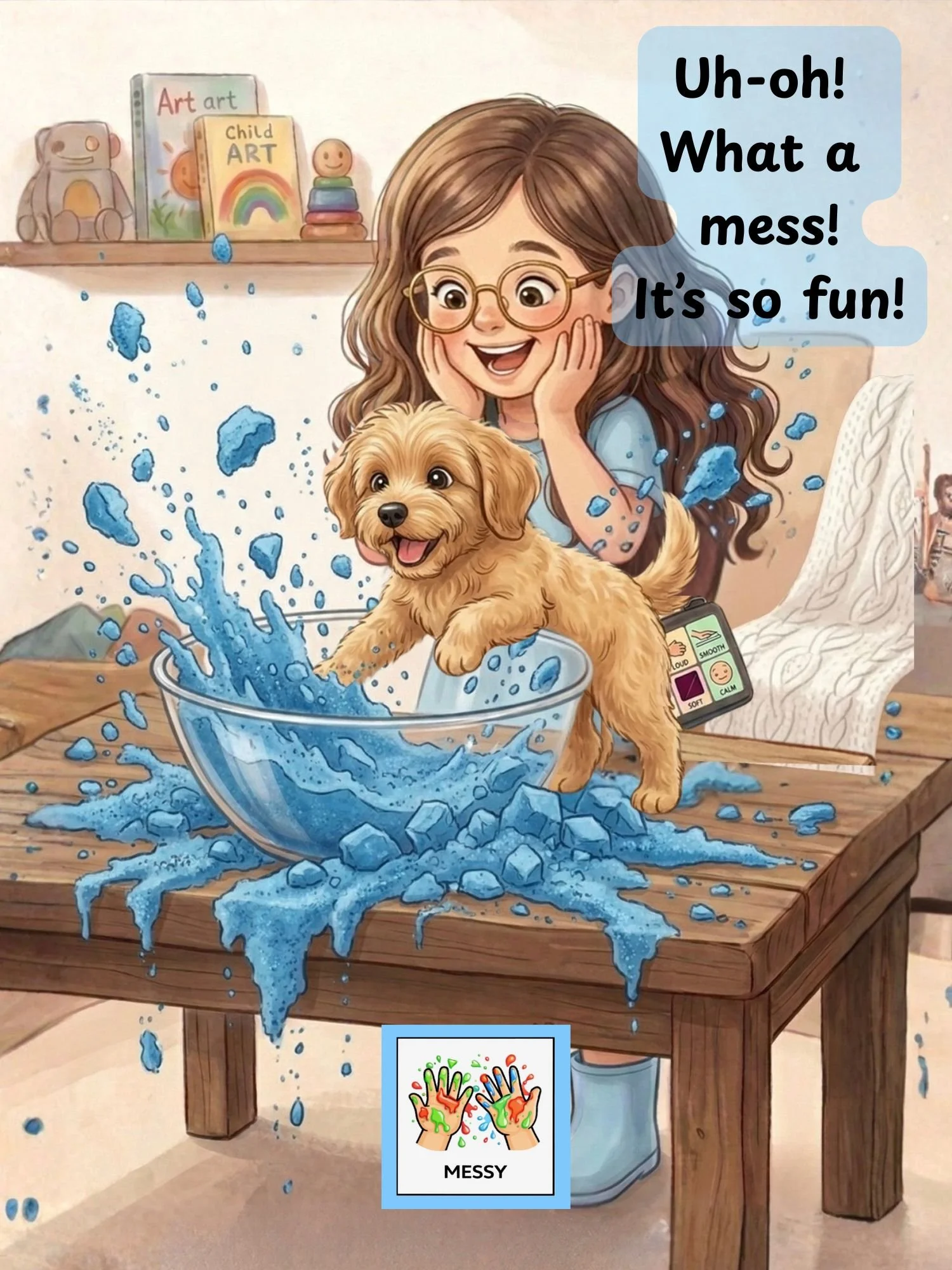
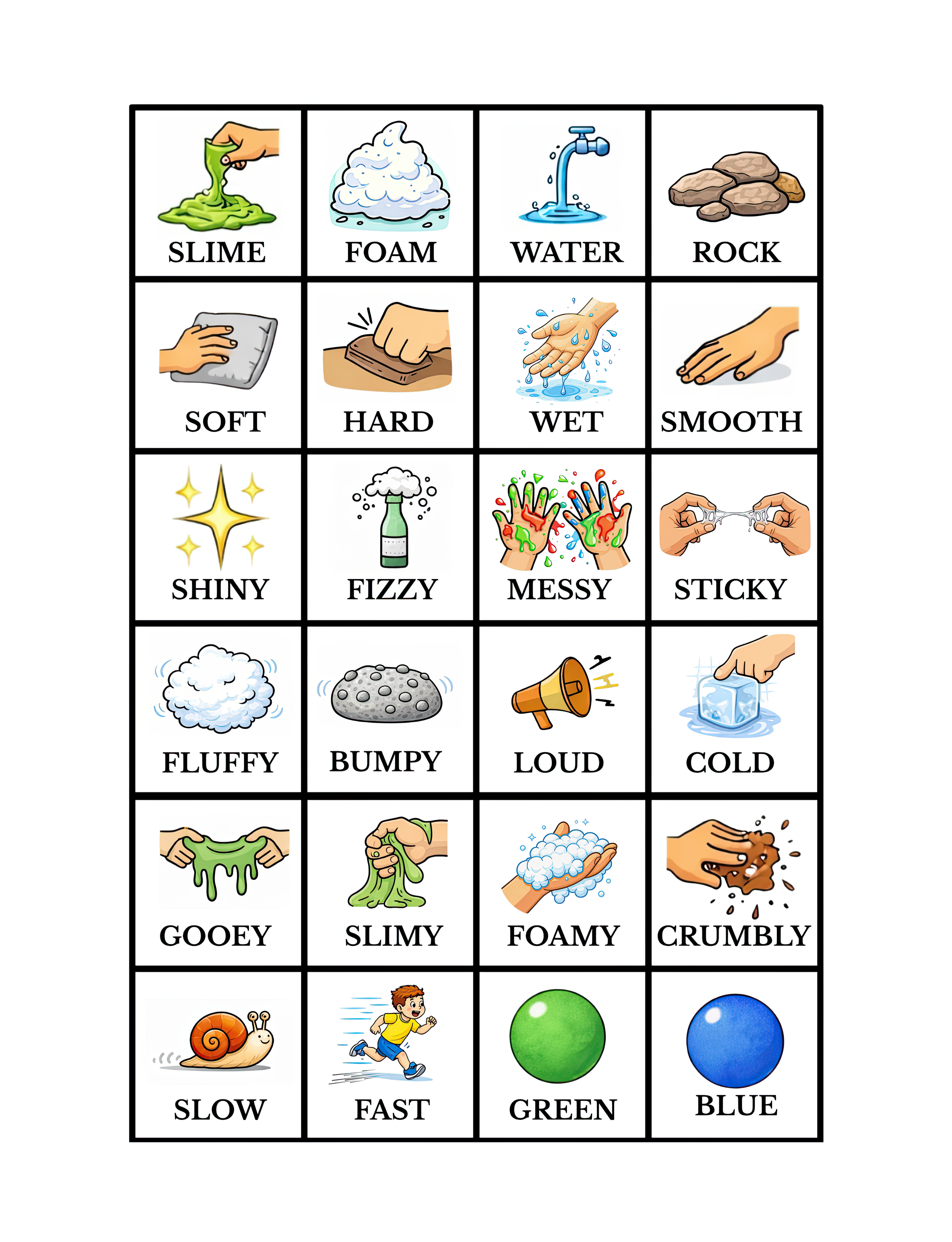
Communication-first learning through sensory play. Modeling made simple.. Stay within descriptor folder/s on most AAC Apps. This AAC-supported story book uses playful, repetitive language to explore experiences like slime, foam, sand, water, and more—while building real, functional communication.
What It Supports: ✔ Meaningful language through sensory experiences ✔ Commenting, expression, and curiosity ✔ Self-advocacy (e.g., I don’t like it, too much, all done) ✔ Motor planning through repeatable, familiar words ✔ Flexible modeling—keep it simple or expand as needed
Designed for Real Communication: Language is modeled without pressure or prompting—just talking and tapping in meaningful moments. The layout reduces navigation demands, allowing communication partners to focus on sensory words while supporting comprehension and ease of use.
Flexible for Every Learner: Model one word or full phrases • Use with AAC, sign, or spoken language • Read it your way—no “right” way
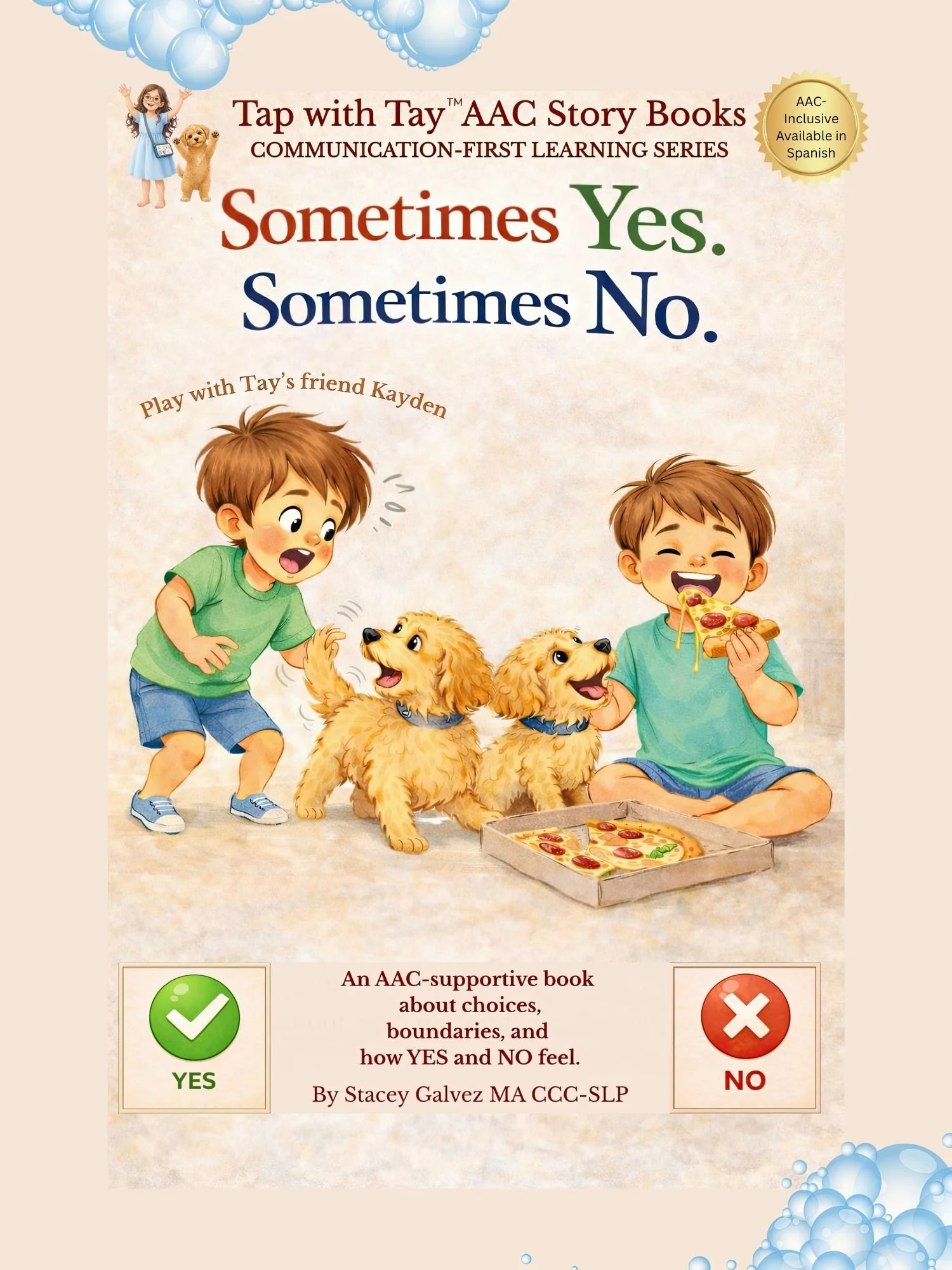
Sometimes Yes. Sometimes No.
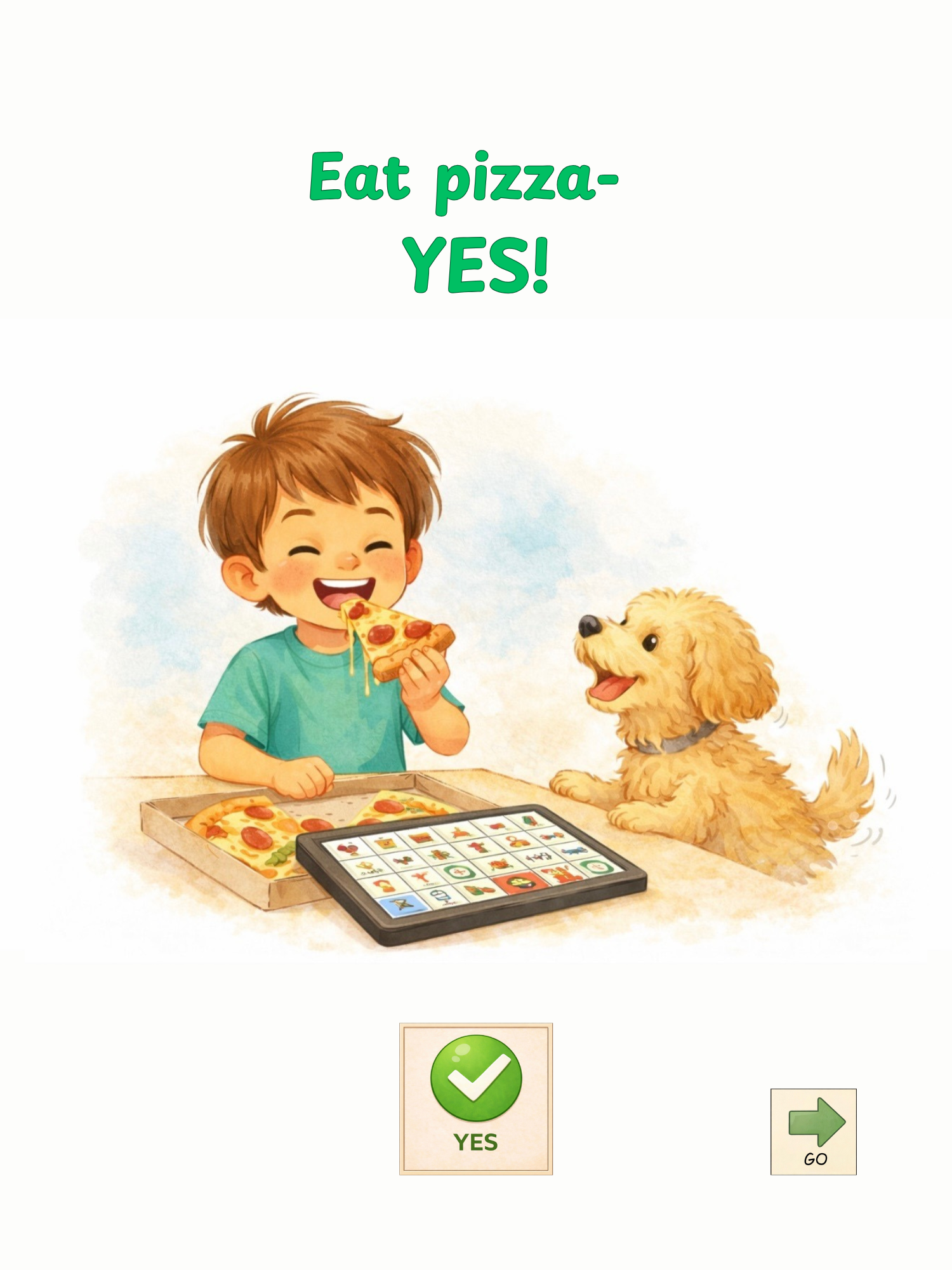
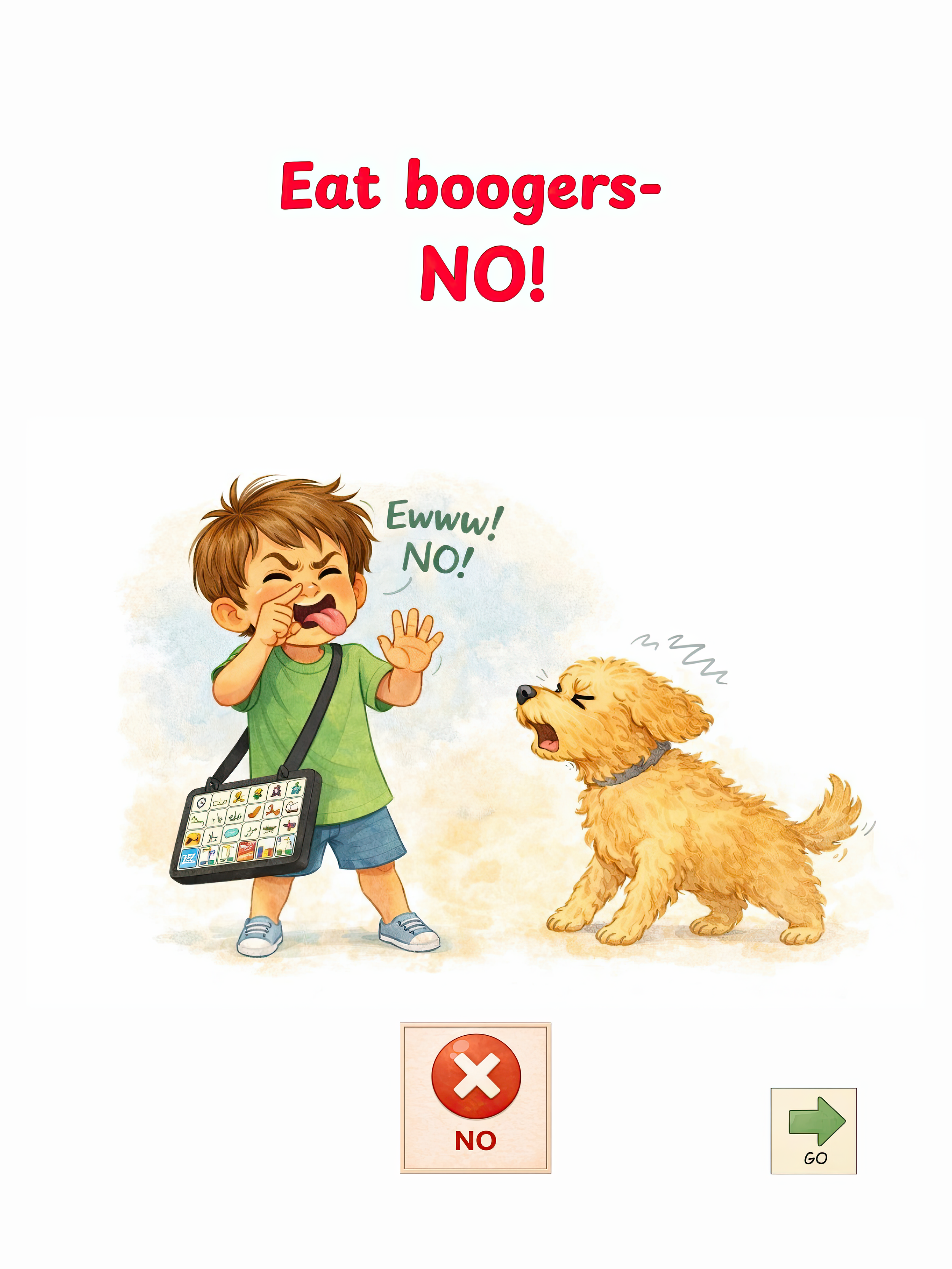
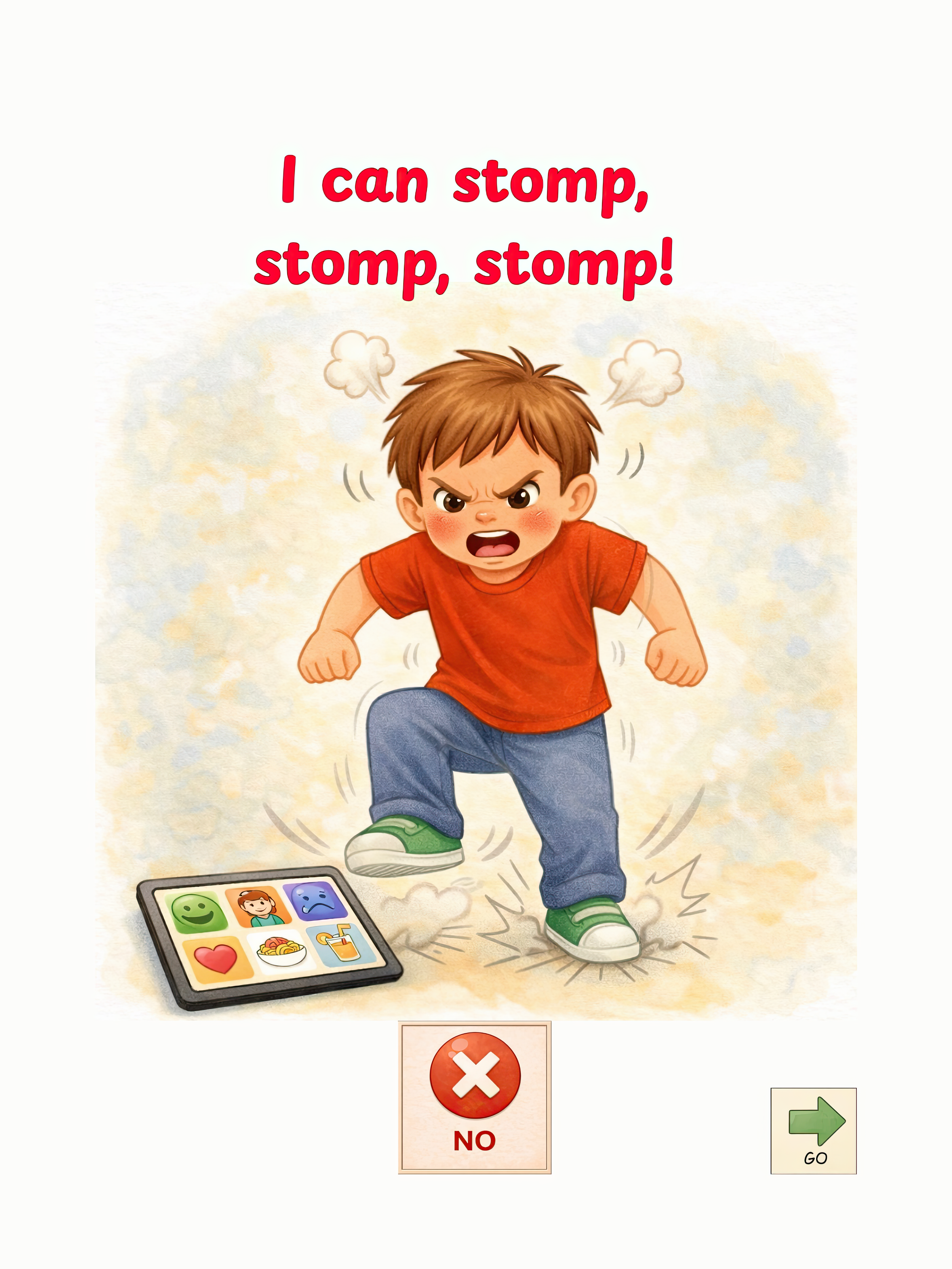
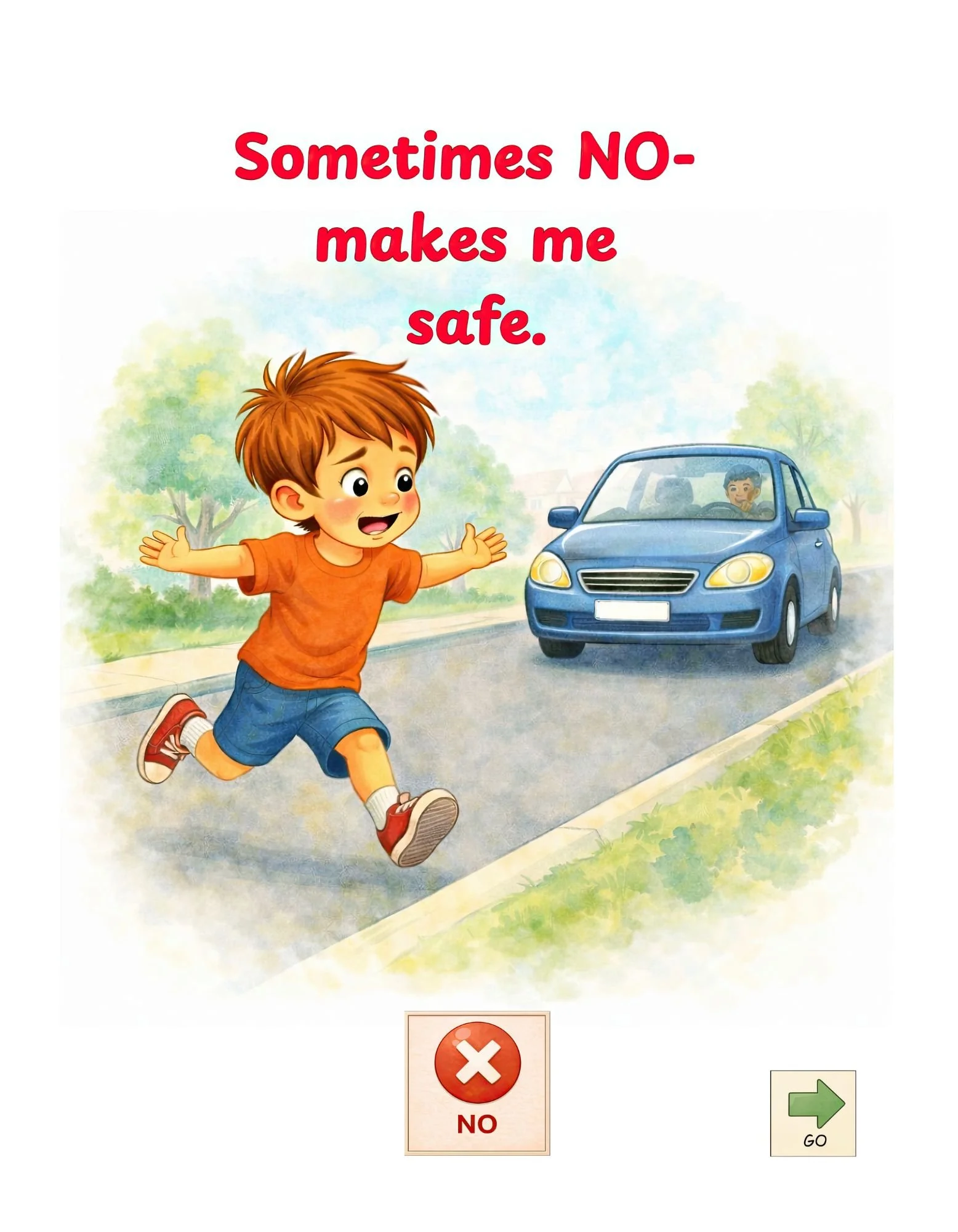
In this story, children meet Tay’s friend, Kayden, an AAC user who explores what yes and no mean through everyday experiences, choices, and interactions.With clear visuals, purposeful repetition, and natural AAC modeling, Sometimes Yes. Sometimes No. supports early communication development while honoring autonomy, safety, and self-advocacy.
Designed for emerging communicators, this book allows children and communication partners to stay within the same AAC folder (the home screen on most devices), reducing navigation demands and supporting aided language input during shared reading and real-life decision-making. AAC is not required to learn and enjoy this book!
Sometimes Yes. Sometimes No. encourages children to express preferences, boundaries, and feelings — reinforcing that both yes and no are meaningful, valid forms of communication, and that communication is about understanding, respect, and connection.
AVAILABLE IN SPANISH
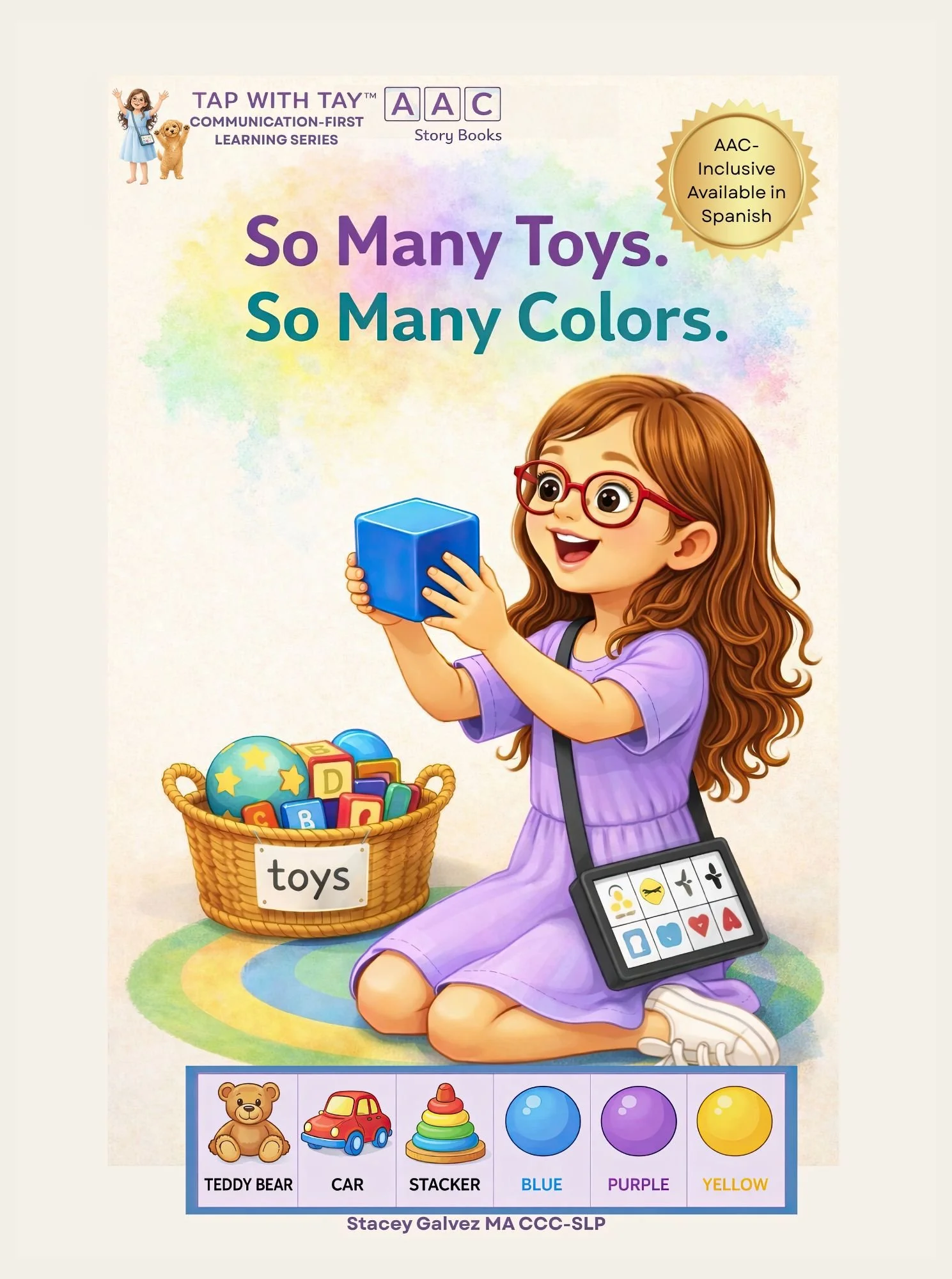
So Many Toys. So Many Colors.
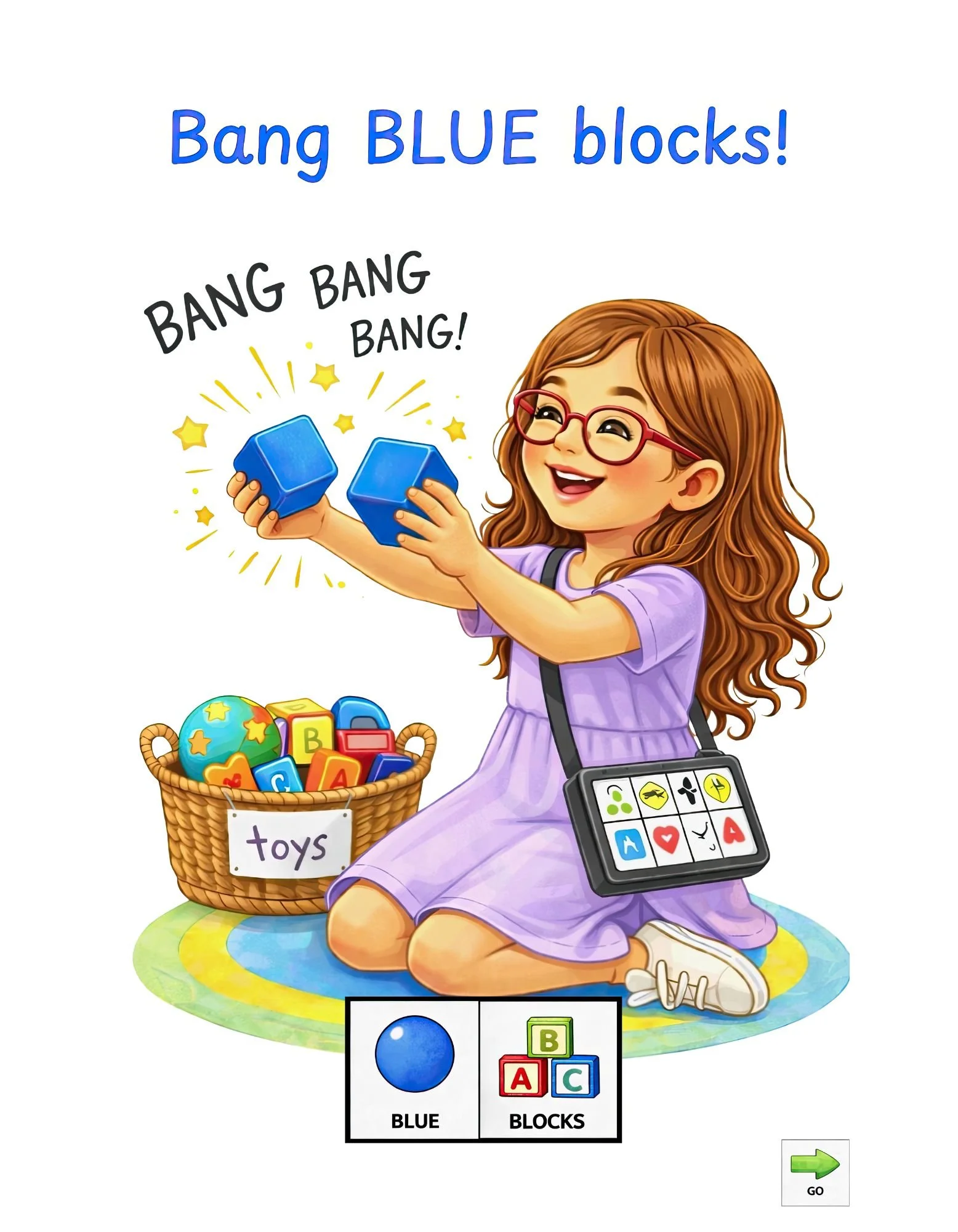
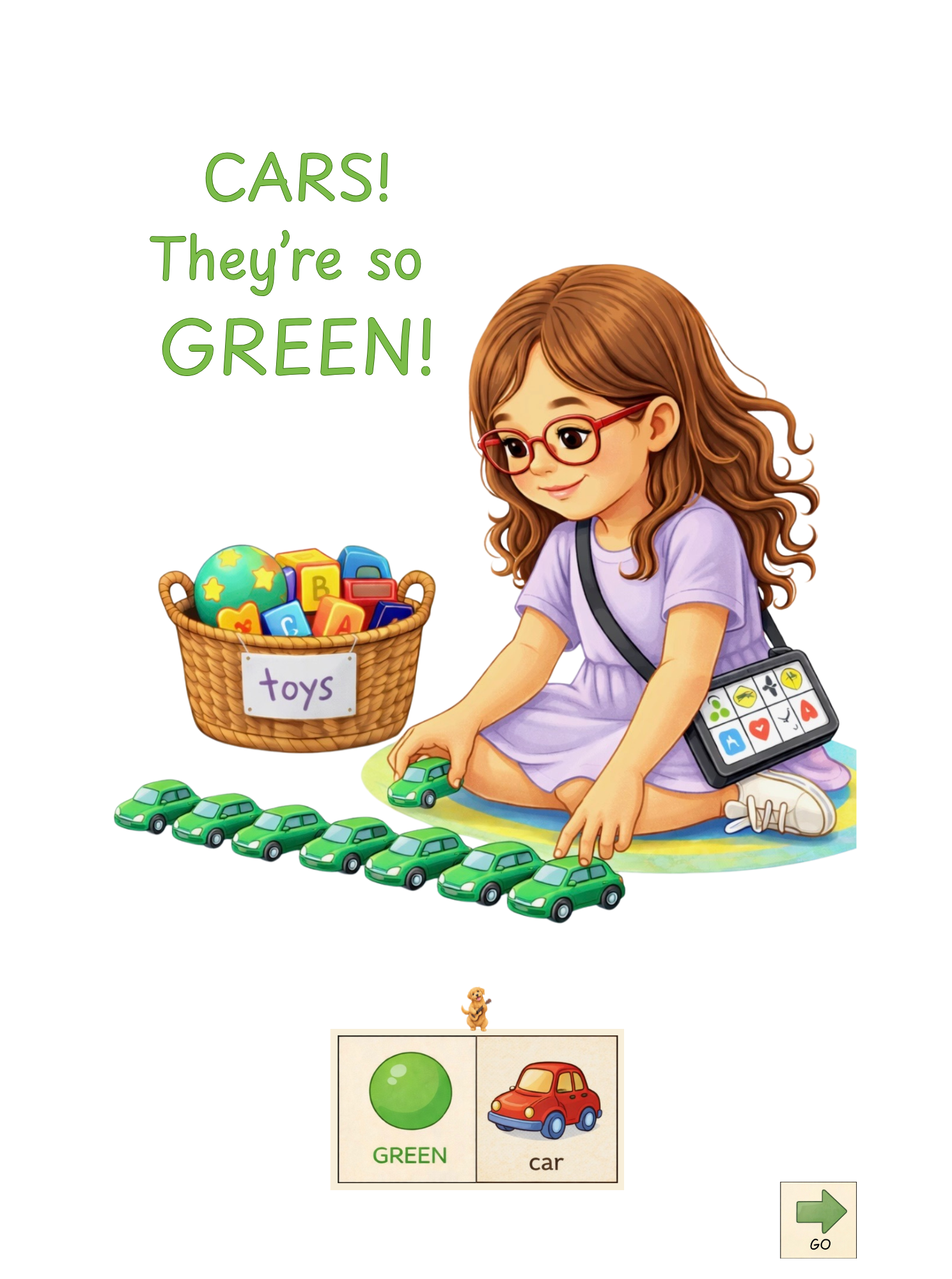
So Many Toys. So Many Colors. is an AAC-inclusive children’s book designed to support communication through simple, repetitive language and flexible modeling.
Each page follows a predictable pattern—a color is named, a toy is introduced, and an action follows—making it easy for communication partners to model language in a way that feels natural and accessible. Readers can choose to model only toys, only colors, only actions, or any combination, depending on what works best for the communicator.
This book supports spoken language, AAC, and sign language (including MORE and ALL DONE) and encourages shared play, repetition, and meaningful interaction—without pressure or expectation to respond.
AVAILABLE IN SPANISH
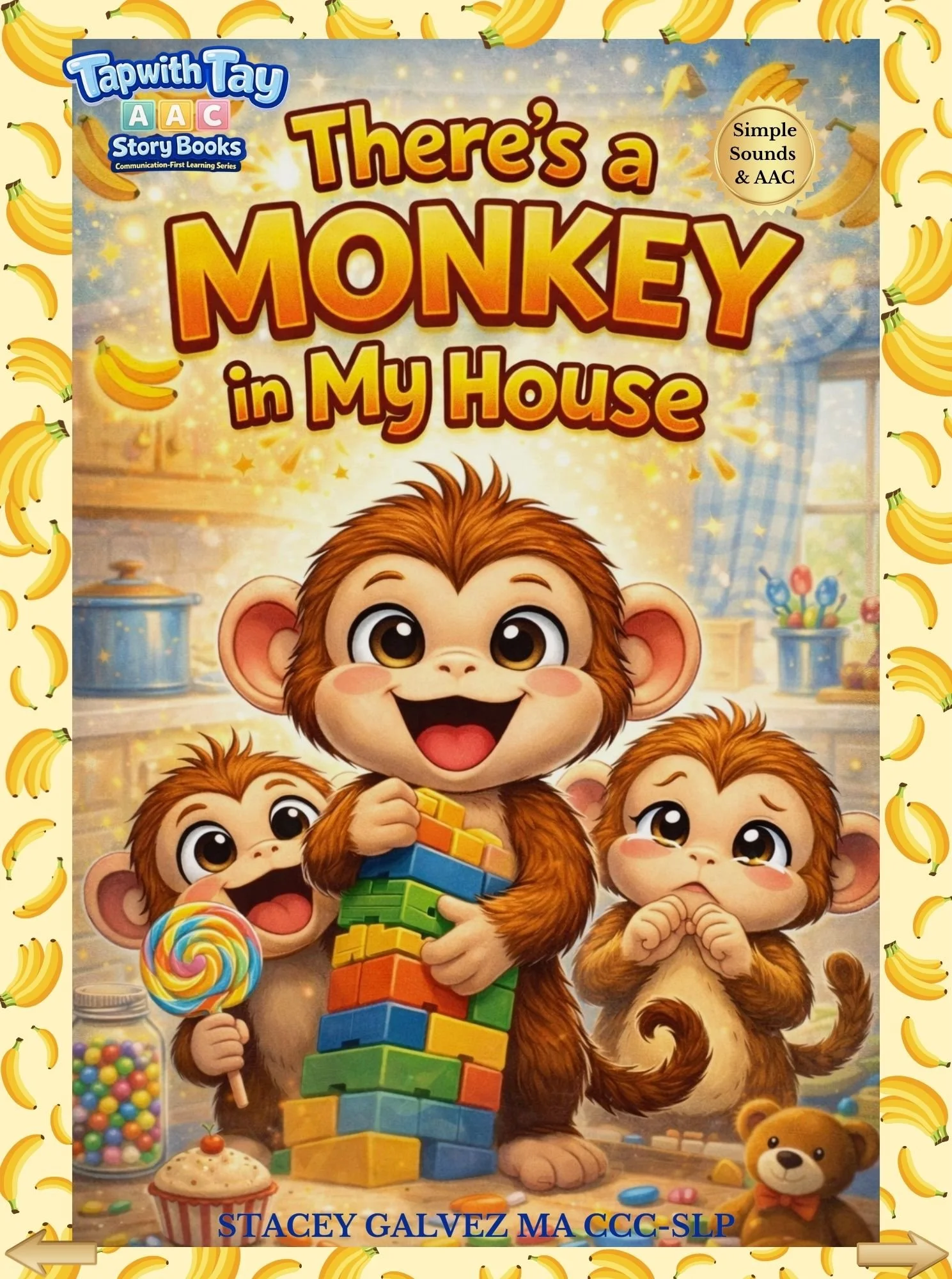
There’s a Monkey in My House
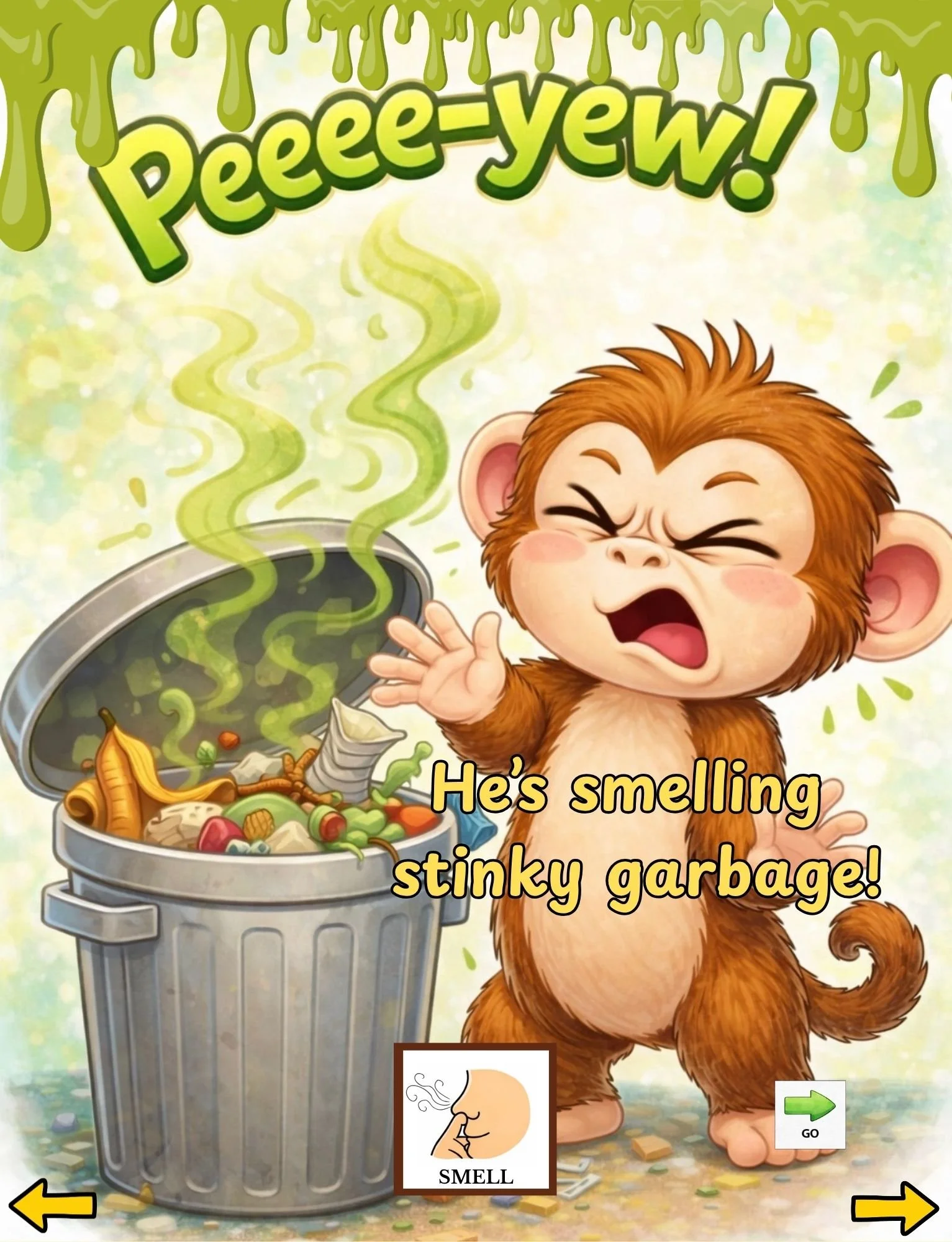
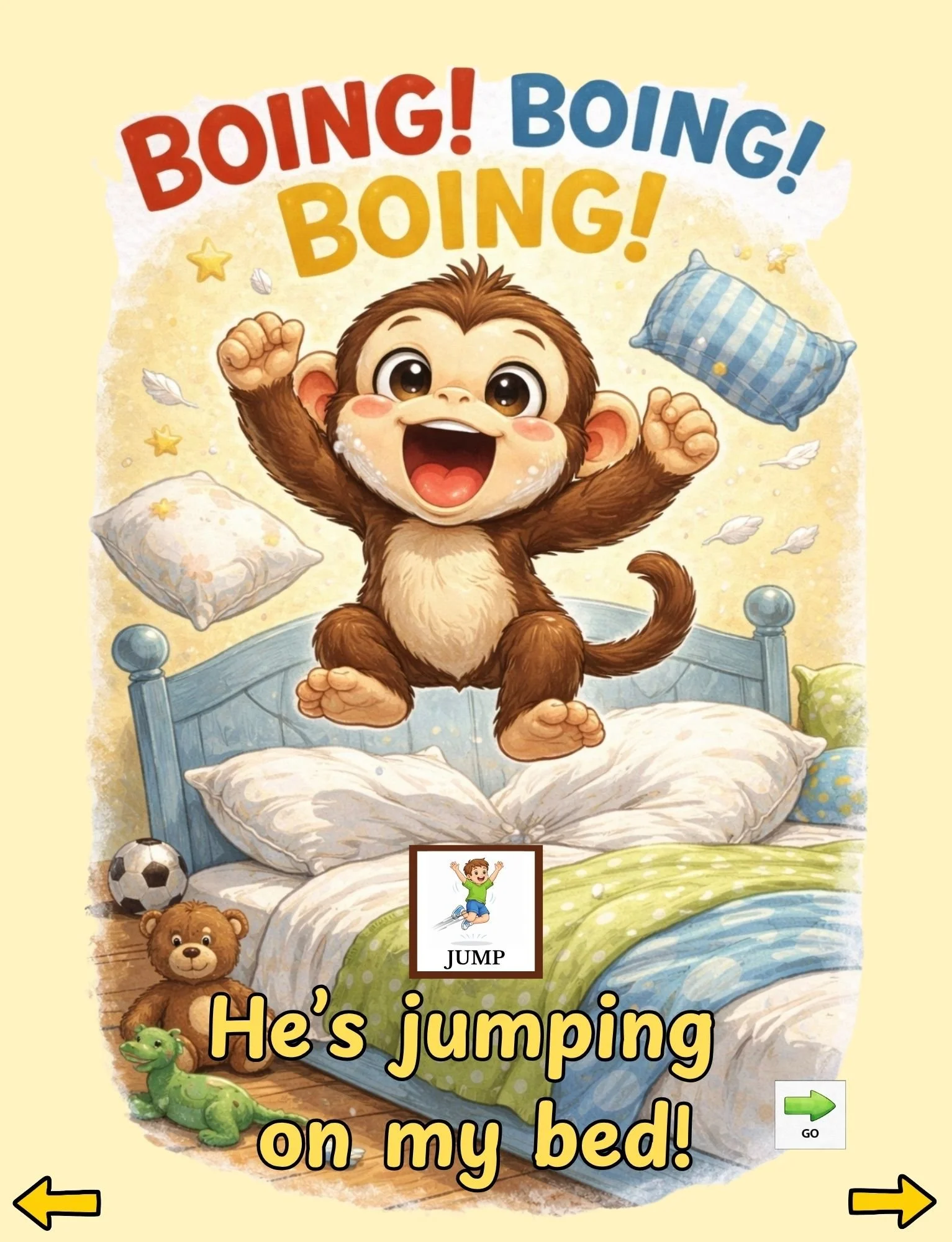
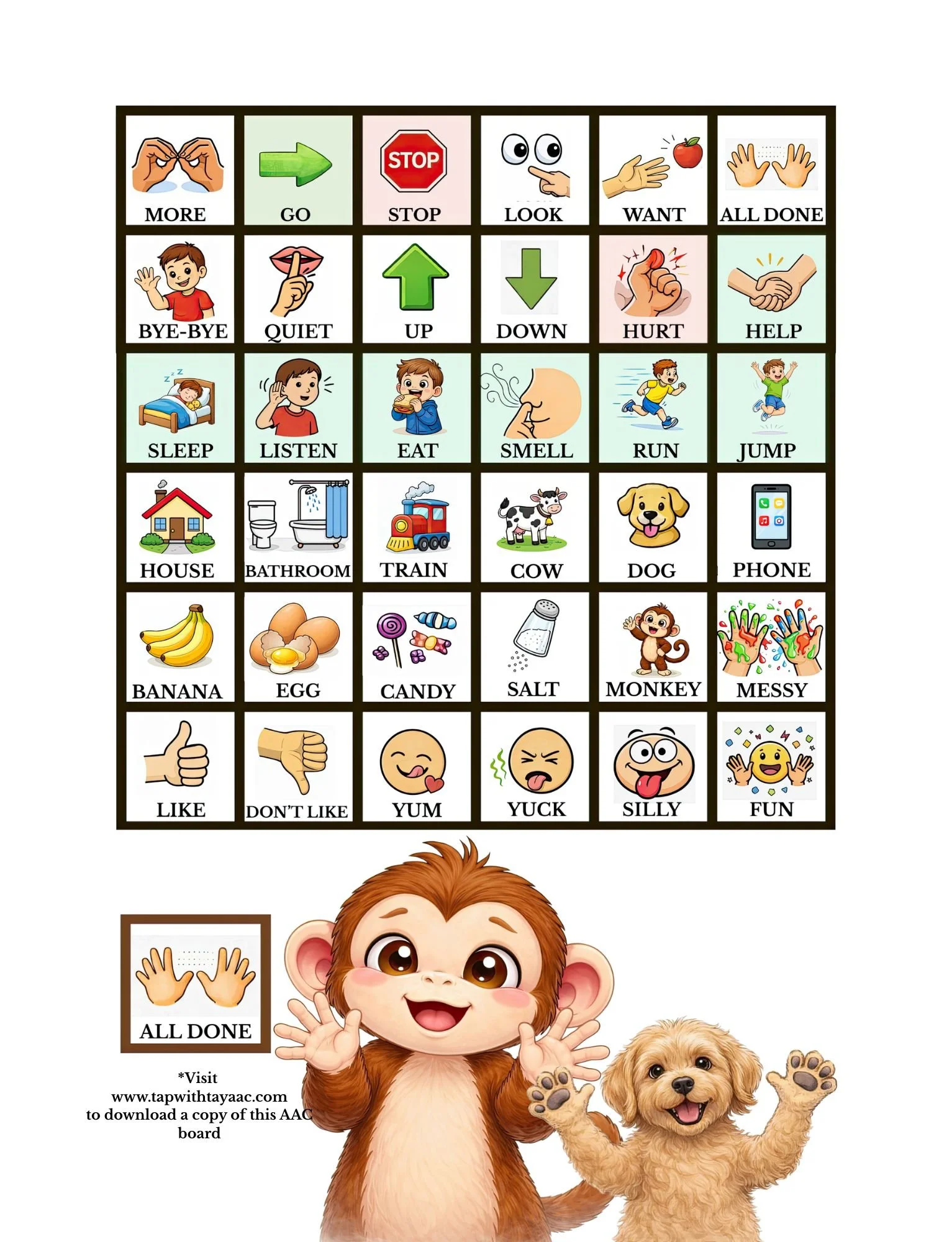
is a playful, sound-filled story designed to support early communication through the power of simple, meaningful sounds. Throughout the story, the monkey occasionally uses simple signs and AAC to communicate—modeling early ways to express “more,” “all done,” and other meaningful messages.
As a mischievous monkey swings, pops, zooms, and munches his way through the house, children are naturally invited to join in—exploring early developmental sounds like ahh, ooo, pop, boom, and ha ha in a way that feels fun, engaging, and pressure-free.
This story is intentionally designed to: • encourage early sound-making and vocal play • support imitation through natural, joyful interaction • create meaningful opportunities for participation at any communication level.

FROM MONSTER TO ME
An AAC-Friendly Story for Learning to Say “My Name is…”

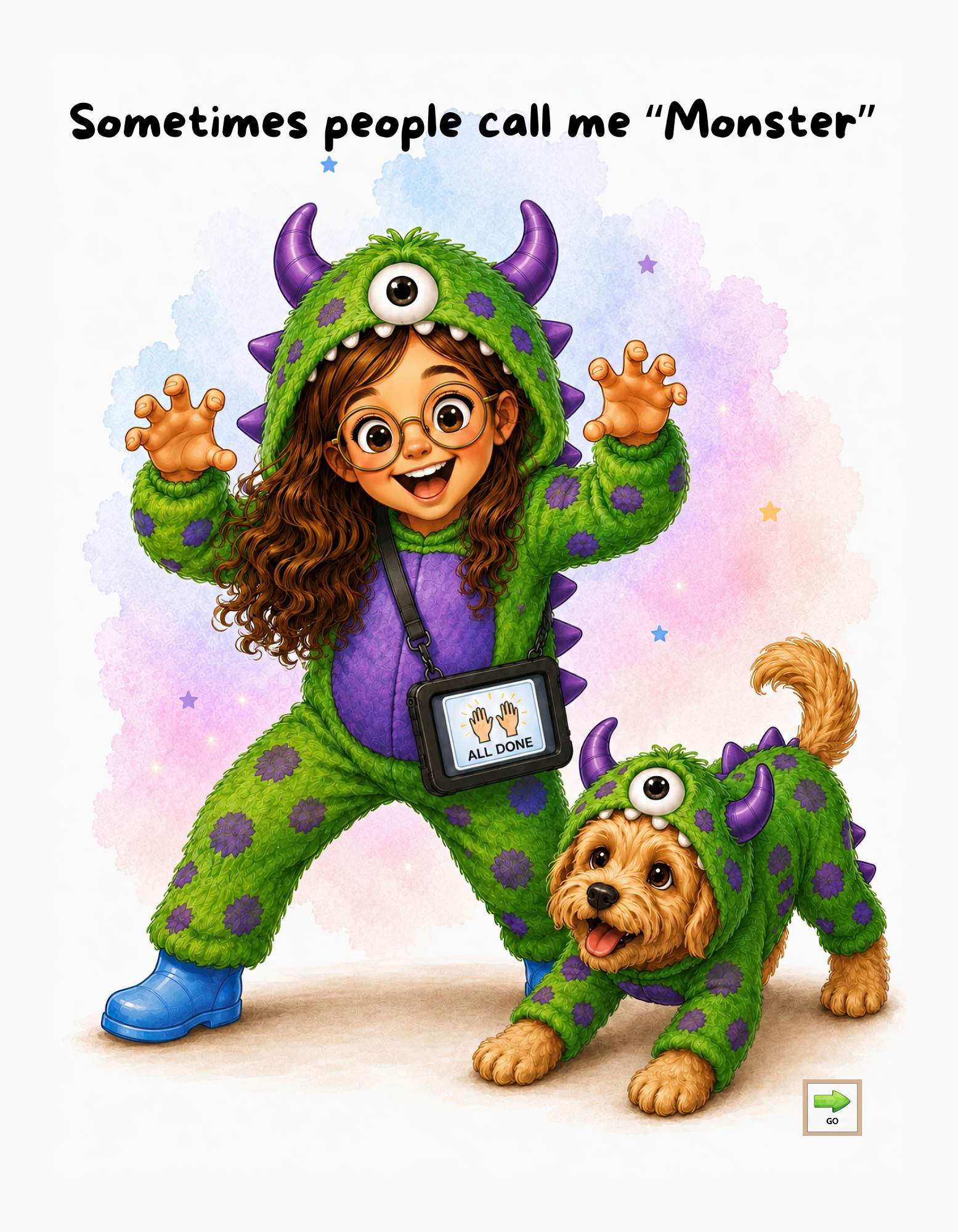
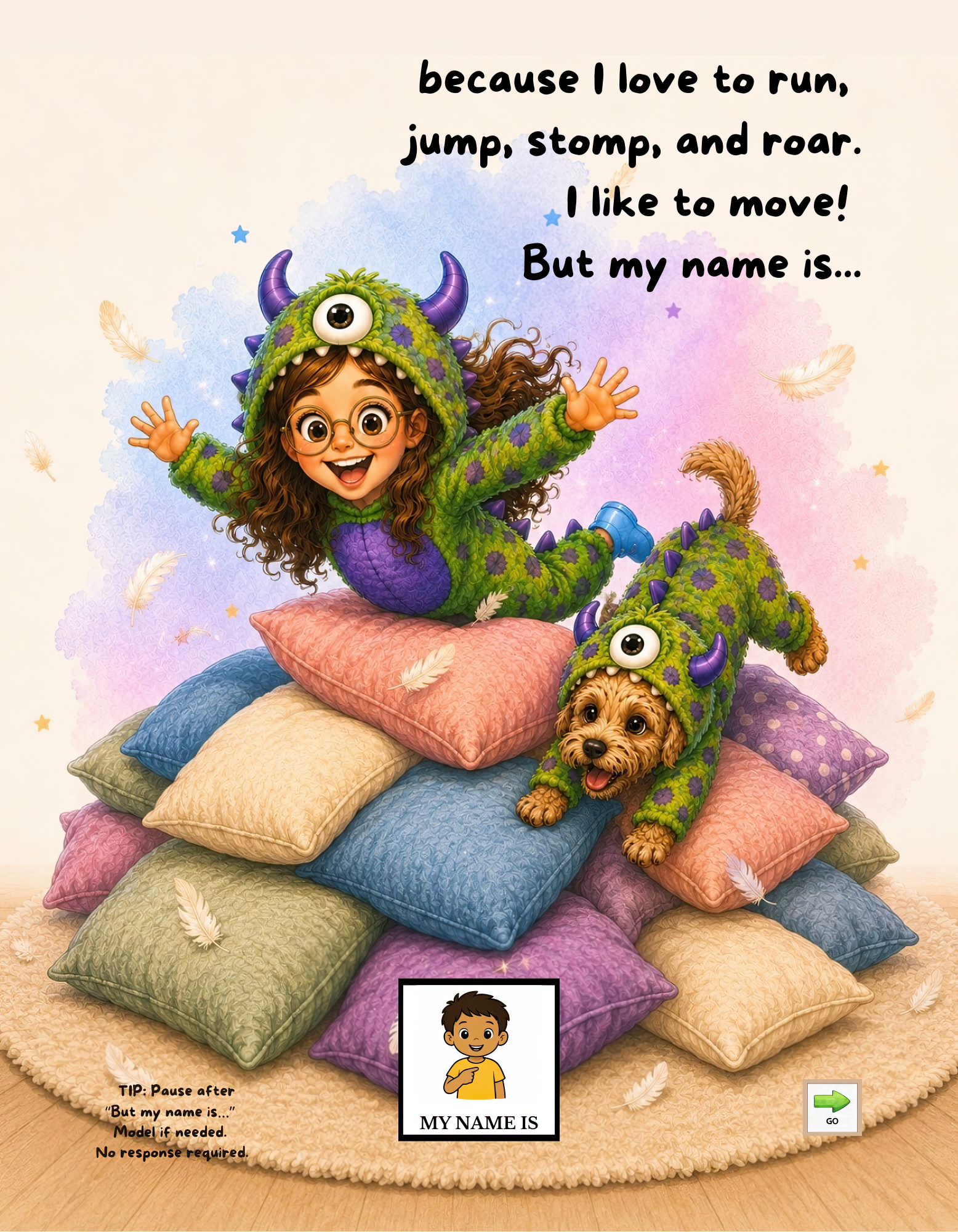
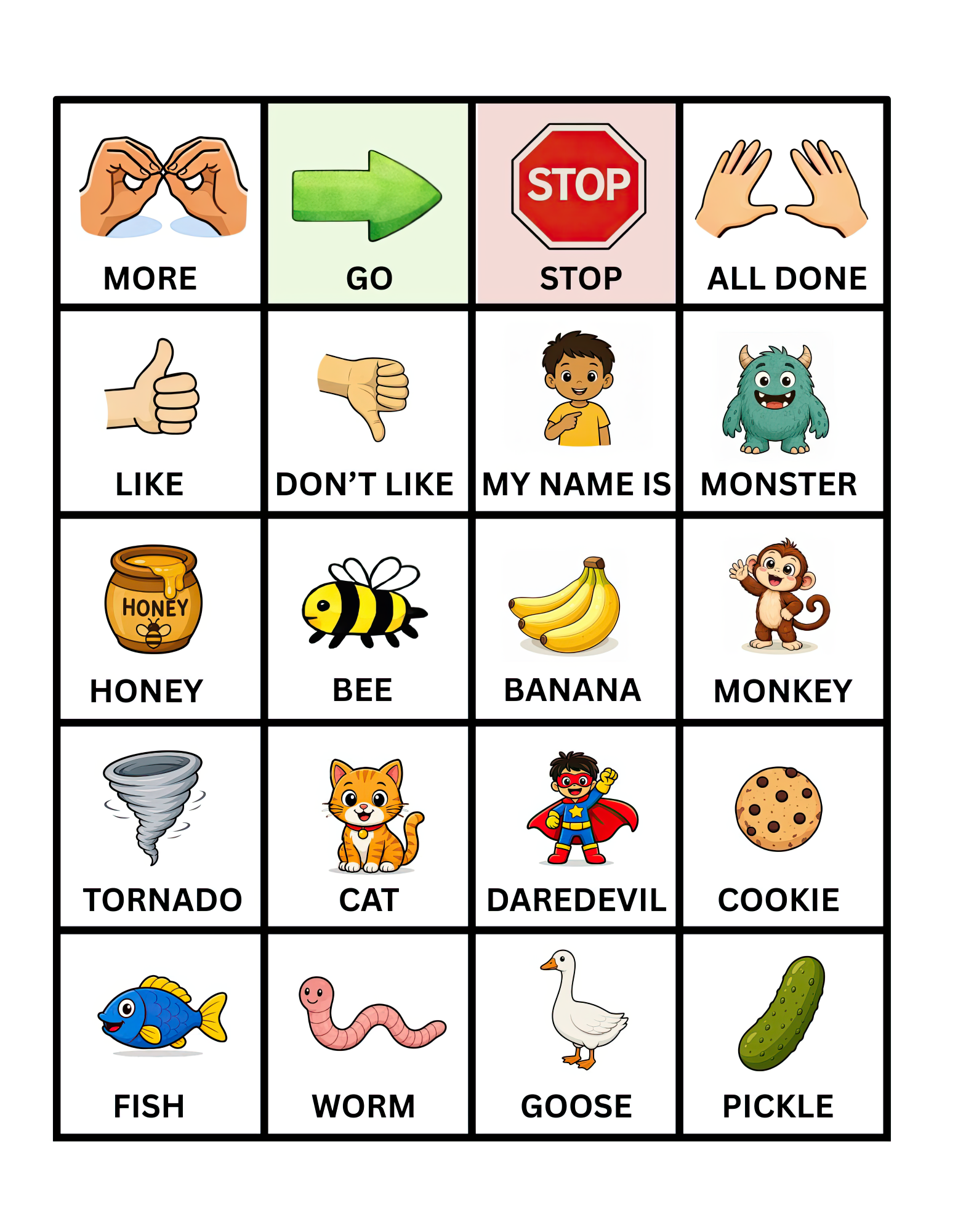
From Monster to Me is a playful, AAC-friendly story that helps children learn one of the most meaningful phrases they can share: “My name is…” Through silly nicknames, repetition, and simple visual supports, children can explore where this phrase lives on their AAC device or practice saying it verbally.
Perfect for classrooms, therapy sessions, groups, or reading at home, this engaging story encourages communication through modeling and connection—never pressure.


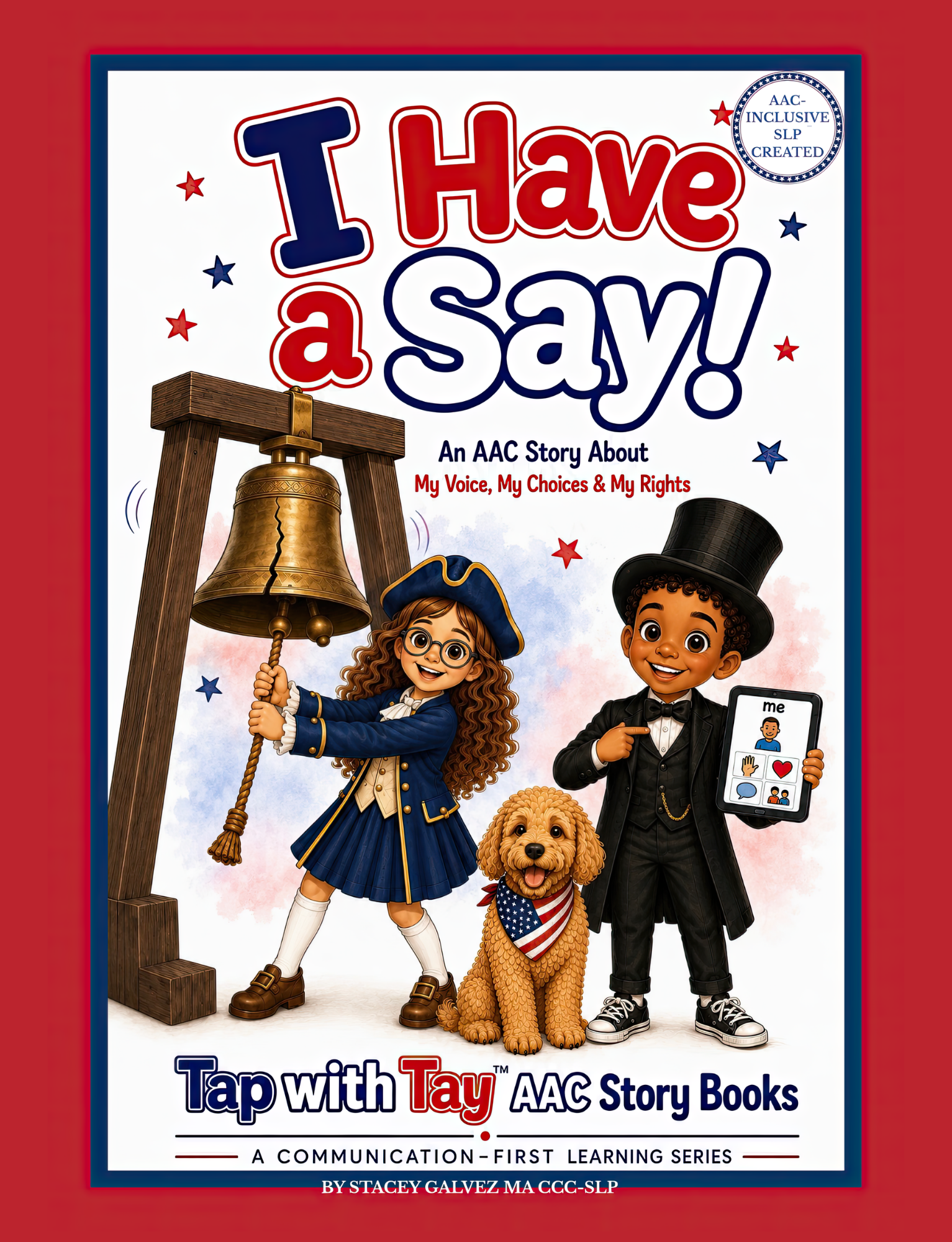
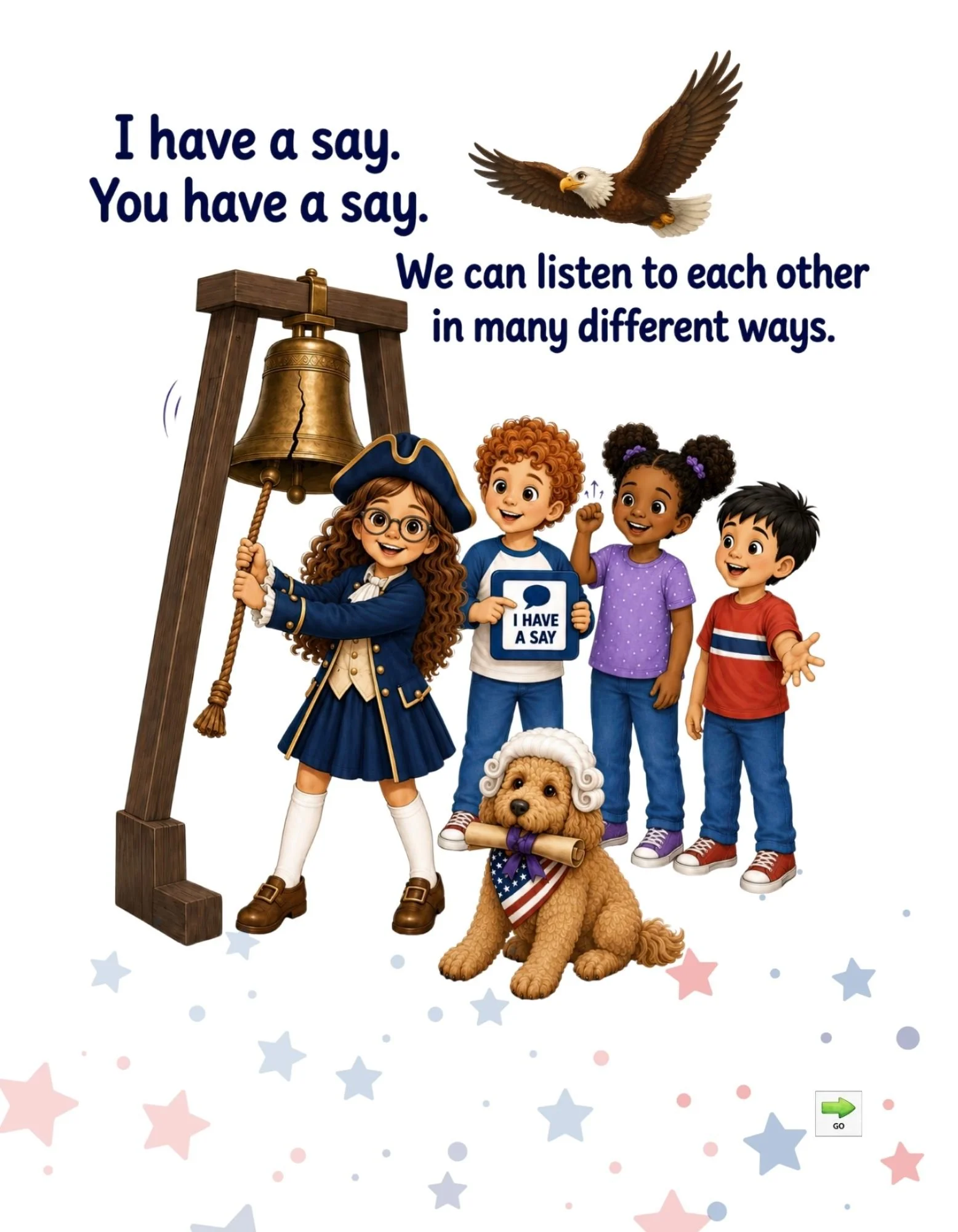
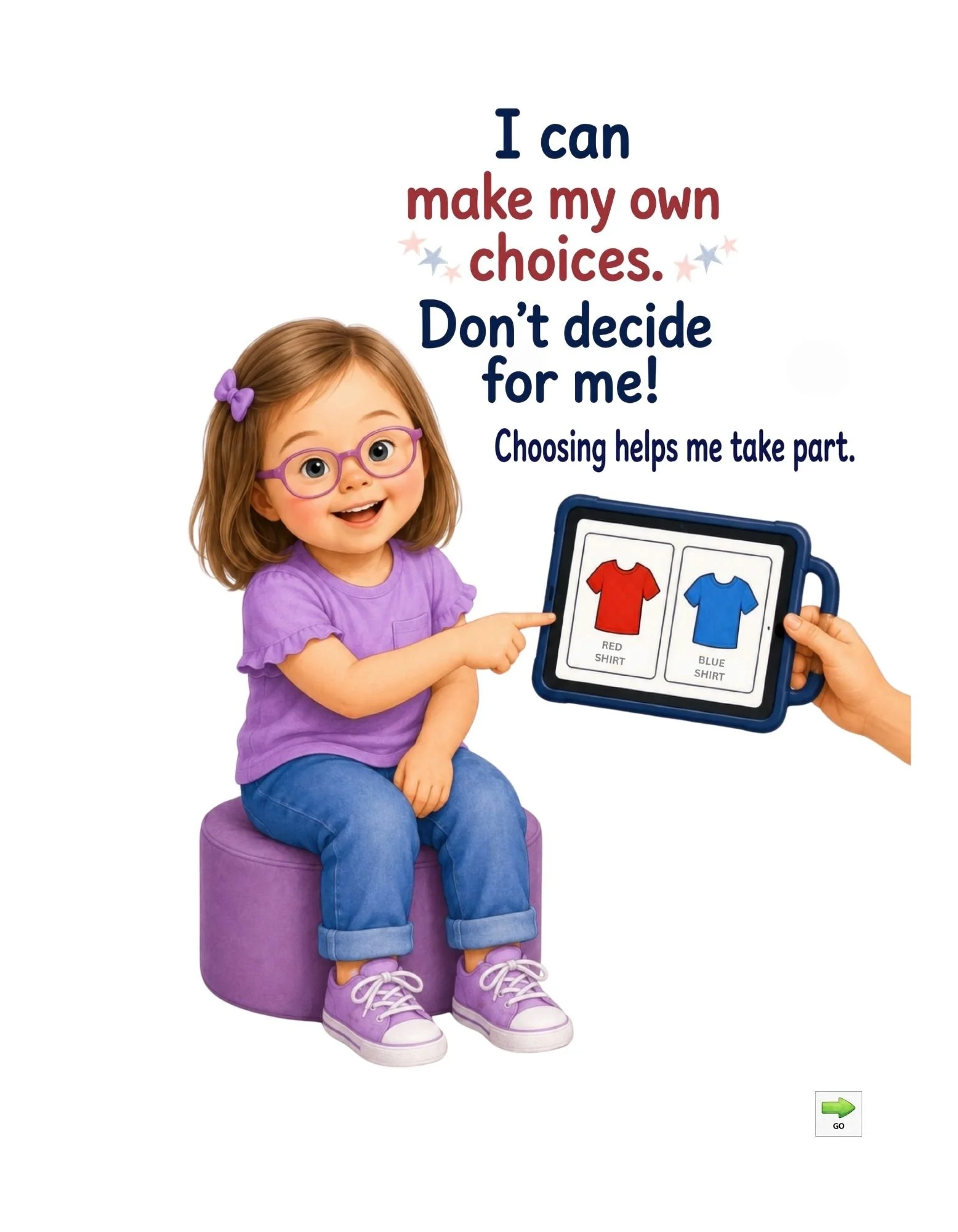
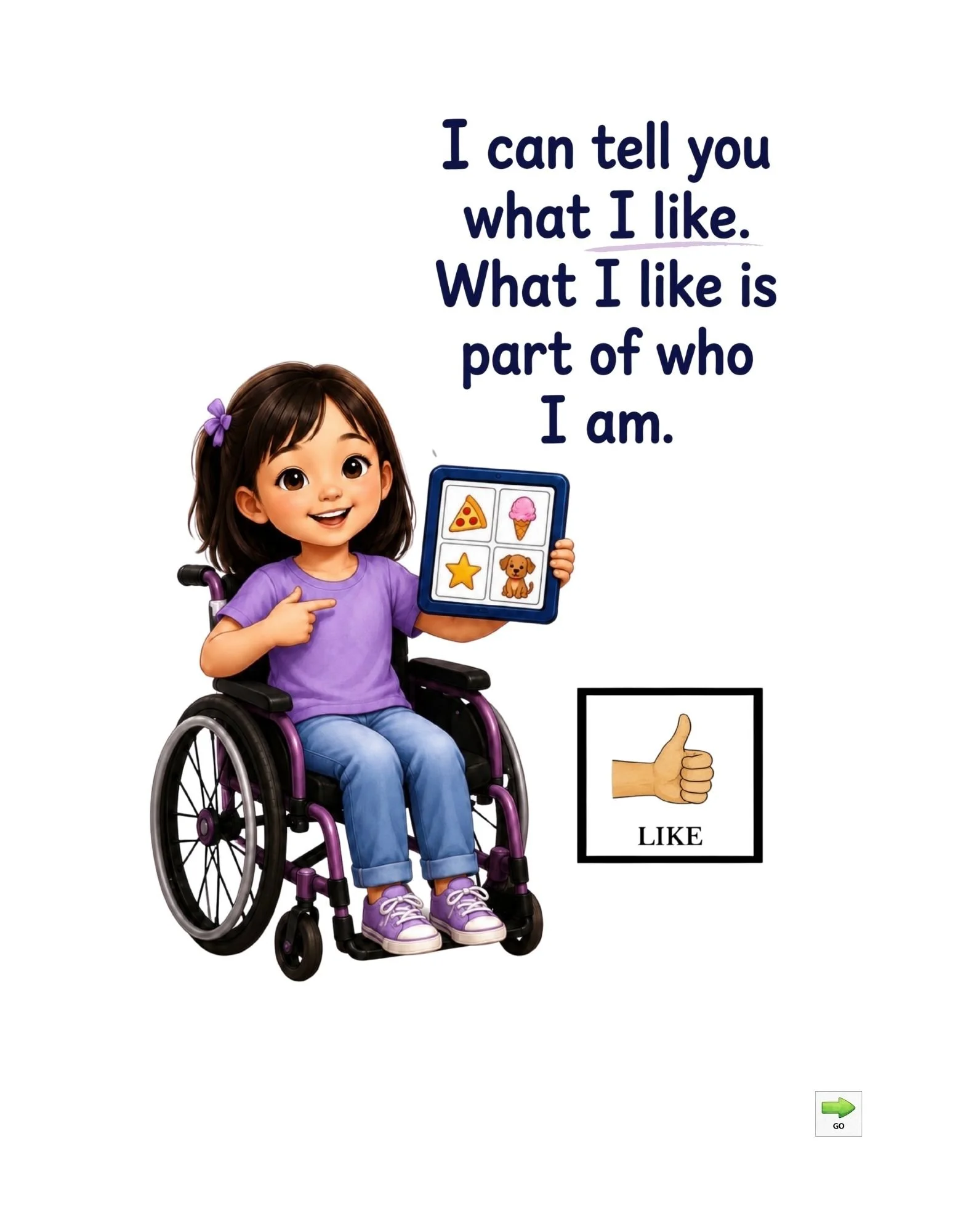
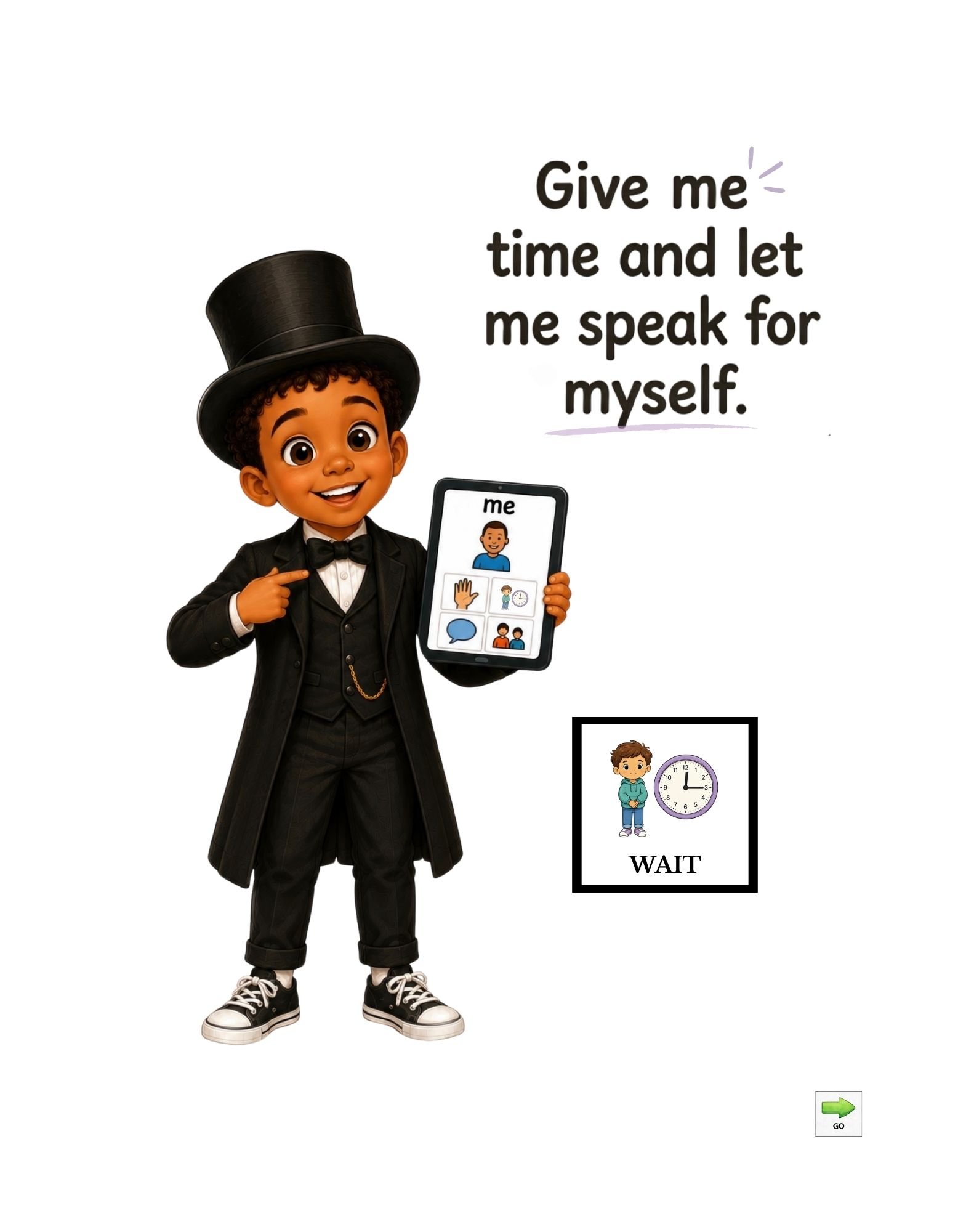
I Have a Say! An AAC Story About My Voice, My Choices & My Rights
is an empowering AAC-friendly story that helps children understand that their voices, choices, and communication matter. Through child-friendly language and meaningful examples, readers learn that they can express their thoughts, feelings, needs, preferences, and boundaries—while the adults around them learn how to listen, include, and support them.
Perfect for classrooms, therapy sessions, or reading at home, this book celebrates every way a child communicates and encourages self-advocacy, autonomy, and respect.